
Seville itinerary: 1 to 6 days
Plans for one to six days in Seville, day by day: the Real Alcázar, the cathedral and the Archive of the Indies first, then the Giralda, Casa de Pilatos and the Metropol Parasol, María Luisa Park and Plaza de España, and the Santa Cruz quarter and Cartuja as you add days. Every stop has a typical visit length.
How long do you have?
Map: 3 days
Seville in 1 day
Day 1
Torre del Oro
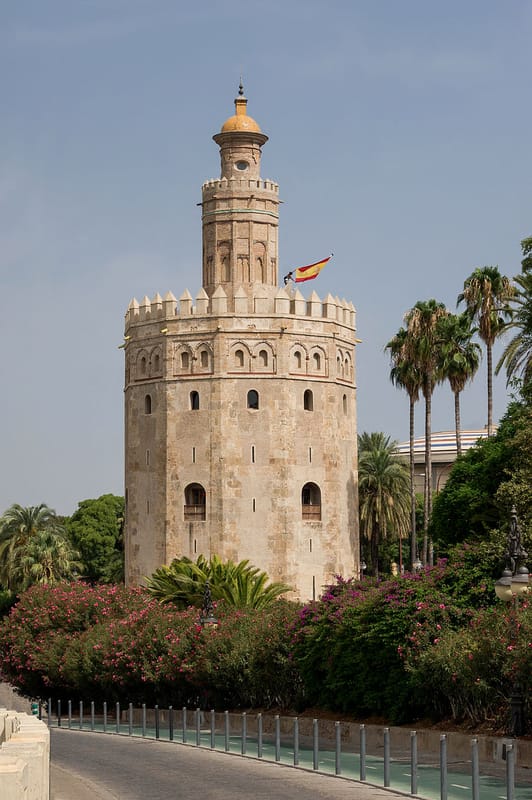
A 13th-century twelve-sided watchtower on the Guadalquivir, now housing a small naval museum.
General Archive of the Indies
The archive of Spain's American empire in a Renaissance merchants' exchange beside the cathedral; free to enter.
Alcázar of Seville
A royal palace begun in the Middle Ages, with Mudéjar courtyards, tiled halls and large gardens; still used by the Spanish royal family.
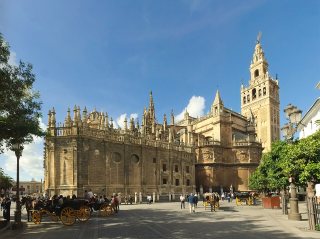
Seville Cathedral
The largest Gothic cathedral in the world, holding the tomb of Christopher Columbus.
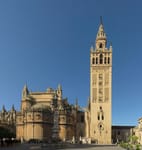
Giralda
The cathedral's bell tower, built as the minaret of the Almohad mosque, climbed by ramps for views over the city.
Seville in 2 days
Day 1
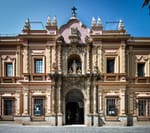
Museum of Fine Arts of Seville
A museum of Spanish painting in a former convent, especially Murillo, Zurbarán and Valdés Leal.
General Archive of the Indies
The archive of Spain's American empire in a Renaissance merchants' exchange beside the cathedral; free to enter.
Alcázar of Seville
A royal palace begun in the Middle Ages, with Mudéjar courtyards, tiled halls and large gardens; still used by the Spanish royal family.
Seville Cathedral
The largest Gothic cathedral in the world, holding the tomb of Christopher Columbus.
Giralda
The cathedral's bell tower, built as the minaret of the Almohad mosque, climbed by ramps for views over the city.
Day 2
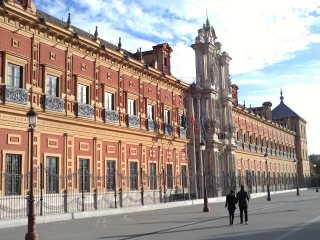
Palace of San Telmo
A Baroque palace by the river, once a naval school and now the seat of the Andalusian regional government.
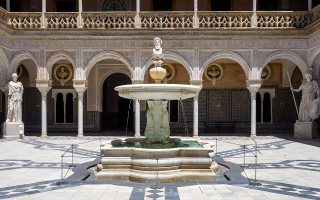
Casa de Pilatos
A 16th-century Andalusian palace mixing Mudéjar and Renaissance styles, with tiled courtyards and gardens.
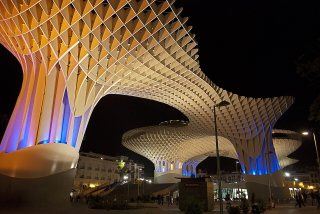
Metropol Parasol
Las Setas, a huge wooden canopy over Plaza de la Encarnación, with Roman ruins below and a walkway on top.
Torre del Oro
A 13th-century twelve-sided watchtower on the Guadalquivir, now housing a small naval museum.
Seville in 3 days
Day 1
Museum of Fine Arts of Seville
A museum of Spanish painting in a former convent, especially Murillo, Zurbarán and Valdés Leal.
General Archive of the Indies
The archive of Spain's American empire in a Renaissance merchants' exchange beside the cathedral; free to enter.
Alcázar of Seville
A royal palace begun in the Middle Ages, with Mudéjar courtyards, tiled halls and large gardens; still used by the Spanish royal family.
Seville Cathedral
The largest Gothic cathedral in the world, holding the tomb of Christopher Columbus.
Giralda
The cathedral's bell tower, built as the minaret of the Almohad mosque, climbed by ramps for views over the city.
Day 2
Casa de Pilatos
A 16th-century Andalusian palace mixing Mudéjar and Renaissance styles, with tiled courtyards and gardens.
Metropol Parasol
Las Setas, a huge wooden canopy over Plaza de la Encarnación, with Roman ruins below and a walkway on top.
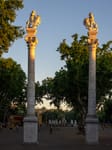
La Alameda, Seville
The Alameda de Hércules, a long tree-lined square from 1574, with bars and cafés in the north of the old town.
Torre del Oro
A 13th-century twelve-sided watchtower on the Guadalquivir, now housing a small naval museum.
Day 3
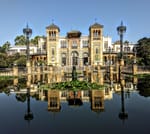
Museum of Arts and Traditions of Sevilla
A museum of Andalusian crafts and daily life in the Mudéjar Pavilion in María Luisa Park.
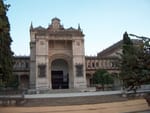
Archeological Museum of Seville
The province's archaeological museum in a 1929 exposition pavilion in María Luisa Park, with Roman finds from Itálica.
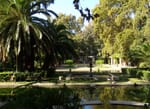
Maria Luisa Park
Seville's main park, laid out for the 1929 exposition, with fountains, tiled benches and shady paths.
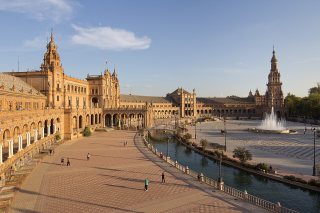
Plaza de España
A vast semicircular plaza built for the 1929 exposition, with a canal, bridges and tiled alcoves for each Spanish province.
Seville in 4 days
Day 1
Torre del Oro
A 13th-century twelve-sided watchtower on the Guadalquivir, now housing a small naval museum.
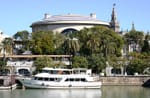
Teatro de la Maestranza
Seville's opera house and concert hall on the riverbank, opened in 1991.
Alcázar of Seville
A royal palace begun in the Middle Ages, with Mudéjar courtyards, tiled halls and large gardens; still used by the Spanish royal family.
Seville Cathedral
The largest Gothic cathedral in the world, holding the tomb of Christopher Columbus.
Giralda
The cathedral's bell tower, built as the minaret of the Almohad mosque, climbed by ramps for views over the city.
Day 2
Casa de Pilatos
A 16th-century Andalusian palace mixing Mudéjar and Renaissance styles, with tiled courtyards and gardens.
Metropol Parasol
Las Setas, a huge wooden canopy over Plaza de la Encarnación, with Roman ruins below and a walkway on top.
La Alameda, Seville
The Alameda de Hércules, a long tree-lined square from 1574, with bars and cafés in the north of the old town.
Museum of Fine Arts of Seville
A museum of Spanish painting in a former convent, especially Murillo, Zurbarán and Valdés Leal.
Day 3
Museum of Arts and Traditions of Sevilla
A museum of Andalusian crafts and daily life in the Mudéjar Pavilion in María Luisa Park.
Archeological Museum of Seville
The province's archaeological museum in a 1929 exposition pavilion in María Luisa Park, with Roman finds from Itálica.
Maria Luisa Park
Seville's main park, laid out for the 1929 exposition, with fountains, tiled benches and shady paths.
Plaza de España
A vast semicircular plaza built for the 1929 exposition, with a canal, bridges and tiled alcoves for each Spanish province.
Day 4
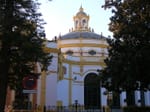
Lope de Vega Theatre
A small Baroque Revival theatre built for the 1929 Ibero-American Exposition, near María Luisa Park.
Palace of San Telmo
A Baroque palace by the river, once a naval school and now the seat of the Andalusian regional government.
General Archive of the Indies
The archive of Spain's American empire in a Renaissance merchants' exchange beside the cathedral; free to enter.
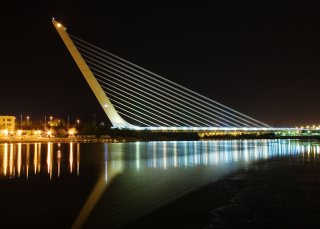
Puente del Alamillo
Santiago Calatrava's cable-stayed bridge with a single leaning pylon, built for Expo '92.
Seville in 5 days
Day 1
Torre del Oro
A 13th-century twelve-sided watchtower on the Guadalquivir, now housing a small naval museum.
Teatro de la Maestranza
Seville's opera house and concert hall on the riverbank, opened in 1991.
Alcázar of Seville
A royal palace begun in the Middle Ages, with Mudéjar courtyards, tiled halls and large gardens; still used by the Spanish royal family.
Seville Cathedral
The largest Gothic cathedral in the world, holding the tomb of Christopher Columbus.
Giralda
The cathedral's bell tower, built as the minaret of the Almohad mosque, climbed by ramps for views over the city.
Day 2
Casa de Pilatos
A 16th-century Andalusian palace mixing Mudéjar and Renaissance styles, with tiled courtyards and gardens.
Metropol Parasol
Las Setas, a huge wooden canopy over Plaza de la Encarnación, with Roman ruins below and a walkway on top.
La Alameda, Seville
The Alameda de Hércules, a long tree-lined square from 1574, with bars and cafés in the north of the old town.
Museum of Fine Arts of Seville
A museum of Spanish painting in a former convent, especially Murillo, Zurbarán and Valdés Leal.
Day 3
Museum of Arts and Traditions of Sevilla
A museum of Andalusian crafts and daily life in the Mudéjar Pavilion in María Luisa Park.
Archeological Museum of Seville
The province's archaeological museum in a 1929 exposition pavilion in María Luisa Park, with Roman finds from Itálica.
Maria Luisa Park
Seville's main park, laid out for the 1929 exposition, with fountains, tiled benches and shady paths.
Plaza de España
A vast semicircular plaza built for the 1929 exposition, with a canal, bridges and tiled alcoves for each Spanish province.
Day 4
Lope de Vega Theatre
A small Baroque Revival theatre built for the 1929 Ibero-American Exposition, near María Luisa Park.
Palace of San Telmo
A Baroque palace by the river, once a naval school and now the seat of the Andalusian regional government.
General Archive of the Indies
The archive of Spain's American empire in a Renaissance merchants' exchange beside the cathedral; free to enter.
Puente del Alamillo
Santiago Calatrava's cable-stayed bridge with a single leaning pylon, built for Expo '92.
Day 5
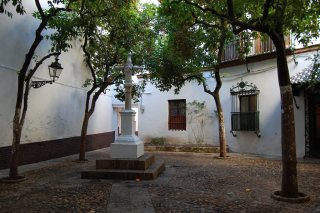
Santa Cruz, Seville
The former Jewish quarter beside the Alcázar, a maze of narrow lanes, small squares and orange trees.
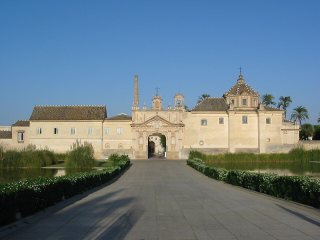
Monastery of Santa Maria de las Cuevas
A former Carthusian monastery on the Cartuja island, later a ceramics factory, now the Andalusian Centre of Contemporary Art.
Seville in 6 days
Day 1
General Archive of the Indies
The archive of Spain's American empire in a Renaissance merchants' exchange beside the cathedral; free to enter.
Alcázar of Seville
A royal palace begun in the Middle Ages, with Mudéjar courtyards, tiled halls and large gardens; still used by the Spanish royal family.
Seville Cathedral
The largest Gothic cathedral in the world, holding the tomb of Christopher Columbus.
Giralda
The cathedral's bell tower, built as the minaret of the Almohad mosque, climbed by ramps for views over the city.
Day 2
Casa de Pilatos
A 16th-century Andalusian palace mixing Mudéjar and Renaissance styles, with tiled courtyards and gardens.
Metropol Parasol
Las Setas, a huge wooden canopy over Plaza de la Encarnación, with Roman ruins below and a walkway on top.
Monastery of Santa Maria de las Cuevas
A former Carthusian monastery on the Cartuja island, later a ceramics factory, now the Andalusian Centre of Contemporary Art.
Museum of Fine Arts of Seville
A museum of Spanish painting in a former convent, especially Murillo, Zurbarán and Valdés Leal.
Day 3
Museum of Arts and Traditions of Sevilla
A museum of Andalusian crafts and daily life in the Mudéjar Pavilion in María Luisa Park.
Archeological Museum of Seville
The province's archaeological museum in a 1929 exposition pavilion in María Luisa Park, with Roman finds from Itálica.
Maria Luisa Park
Seville's main park, laid out for the 1929 exposition, with fountains, tiled benches and shady paths.
Plaza de España
A vast semicircular plaza built for the 1929 exposition, with a canal, bridges and tiled alcoves for each Spanish province.
Day 4
Lope de Vega Theatre
A small Baroque Revival theatre built for the 1929 Ibero-American Exposition, near María Luisa Park.
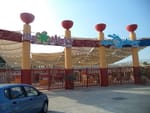
Isla Mágica
A theme park on the Cartuja island, on the grounds of the 1992 Expo, open seasonally.
Day 5
Palace of San Telmo
A Baroque palace by the river, once a naval school and now the seat of the Andalusian regional government.
Torre del Oro
A 13th-century twelve-sided watchtower on the Guadalquivir, now housing a small naval museum.

Real Maestranza bullring
One of Spain's oldest and most beautiful bullrings, an 18th-century Baroque arena by the river; a visit includes the museum and the ring itself.

Triana
The neighbourhood across the Guadalquivir known for its market, ceramics workshops, flamenco heritage and riverside tapas bars.
Day 6
Santa Cruz, Seville
The former Jewish quarter beside the Alcázar, a maze of narrow lanes, small squares and orange trees.

Palacio de las Dueñas
A 15th-century Andalusian palace, once the home of the Dukes of Alba, with patios, gardens and a collection of art and family memorabilia.
La Alameda, Seville
The Alameda de Hércules, a long tree-lined square from 1574, with bars and cafés in the north of the old town.
Puente del Alamillo
Santiago Calatrava's cable-stayed bridge with a single leaning pylon, built for Expo '92.
Watch: Seville in 3 days
A one-minute look at the plan: every stop, day by day, with the map.
When to go to Seville
March to May and October to November are the best months in Seville, with warm days that suit walking. Holy Week, in March or April, brings processions, and the April Fair follows about two weeks after Easter; both raise hotel prices. June to September is extremely hot, often above 40°C, while winter is mild and sunny with orange trees in fruit.
Plan the rest of your trip
- Where to stay: hotels in Seville on Booking.com or Trip.com
- Skip-the-line tickets: museums and sights in Seville on Tiqets
- Tours and day trips: things to do in Seville on GetYourGuide or on Viator
- From the airport: a private transfer in Seville with Kiwitaxi
- Data on arrival: an eSIM for Spain from Airalo
- Last day: leave your bags in Seville with Radical Storage and keep sightseeing
Some of these are affiliate links: we may earn a small commission at no extra cost to you.
Tips for Seville
- Book the Real Alcázar and the cathedral ahead; both use timed tickets and the queues are long in spring.
- The cathedral ticket includes the Giralda; the climb is by ramps rather than stairs, built so a rider could go up on horseback.
- In summer, sightsee in the morning and late afternoon; the middle of the day is very hot and many shops close.
- Many museums, including the Museum of Fine Arts and the Archive of the Indies, close on Mondays.
- Go up the Metropol Parasol at sunset for views over the old town from its rooftop walkway.
Make it your own
Open the guide in Andiamo Places to see every stop on a map with walking directions, move places between days, check opening hours for your dates, and add your own finds. After the trip, your photos become a journal and, if you like, a printed photo book.



Guides are made with the help of AI and public sources such as Wikipedia, and may contain errors. Opening hours and prices change, so check before you go. Spotted a wrong photo, a pin in the wrong place, a missing stop or a better one? Write to andiamotravelapp@gmail.com: the e-mail opens with this guide filled in.
Photo credits
- Alcázar of Seville: Ajay Suresh from New York, NY, USA. Edited by MenkinAlRire, CC BY 2.0
- Archeological Museum of Seville: Alexwing at Spanish Wikipedia, CC BY-SA 3.0
- Casa de Pilatos: Ajay Suresh from New York, NY, USA, CC BY 2.0
- General Archive of the Indies: Anual, CC BY 3.0
- Giralda: Ingo Mehling, CC BY-SA 4.0
- Isla Mágica: CarlosVdeHabsburgo, CC BY-SA 3.0
- La Alameda, Seville: Ajay Suresh from New York, NY, USA, CC BY 2.0
- Lope de Vega Theatre: Grez, CC BY-SA 3.0
- Maria Luisa Park: Gzzz, CC BY-SA 4.0
- Metropol Parasol: Anual, CC BY-SA 3.0
- Monastery of Santa Maria de las Cuevas: The original uploader was Asterion at English Wikipedia ., CC BY-SA 2.5
- Museum of Arts and Traditions of Sevilla: Domdeparis, CC BY-SA 4.0
- Museum of Fine Arts of Seville: Pepe Morón, CC BY 4.0
- Palace of San Telmo: CarlosVdeHabsburgo, CC BY-SA 4.0
- Palacio de las Dueñas: Alonso de Mendoza, CC BY-SA 4.0
- Plaza de España: Carlos Delgado, CC BY-SA 4.0
- Puente del Alamillo: Andrew Dunn, CC BY-SA 2.0
- Real Maestranza bullring: Ajay Suresh from New York, NY, USA, CC BY 2.0
- Santa Cruz, Seville: peribanyez, CC BY-SA 2.0
- Seville Cathedral: Ingo Mehling, CC BY-SA 4.0
- Teatro de la Maestranza: José Luiz, CC BY-SA 3.0
- Torre del Oro: Jebulon, CC0
- Triana: Ajay Suresh from New York, NY, USA, CC BY 2.0
Opening hours change; check before you go. Map data © OpenStreetMap contributors.
