
Santiago itinerary: 1 to 3 days
Plans for one to three days in Santiago, day by day: the Mercado Central, the Plaza de Armas, the Metropolitan Cathedral, La Moneda Palace, Santa Lucía Hill, Barrio Lastarria, Bellavista and San Cristóbal Hill first, then the Pre-Columbian Art Museum, the Fine Arts Museum and La Chascona, and the Museum of Memory and Human Rights, Quinta Normal Park and the Gran Torre Costanera as you add days. Every stop has a typical visit length.
How long do you have?
Map: 3 days
Santiago in 1 day
Day 1

Mercado Central de Santiago
Cast-iron market hall of 1872 near the Mapocho River, known for its fish stalls and seafood restaurants.
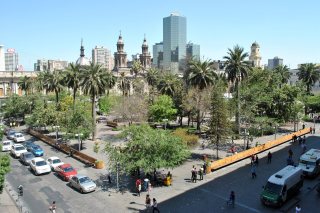
Plaza de Armas
Santiago's main square, founded in 1541, with palm trees, chess players and street artists, ringed by the cathedral and old buildings.
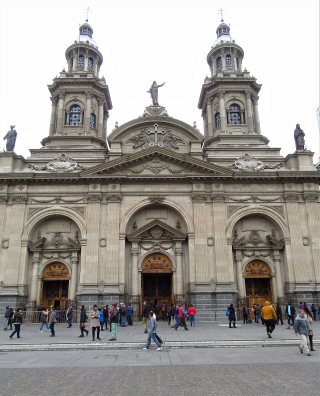
Santiago Metropolitan Cathedral
Neoclassical cathedral on the Plaza de Armas, seat of the Archbishop of Santiago, with a richly decorated interior.
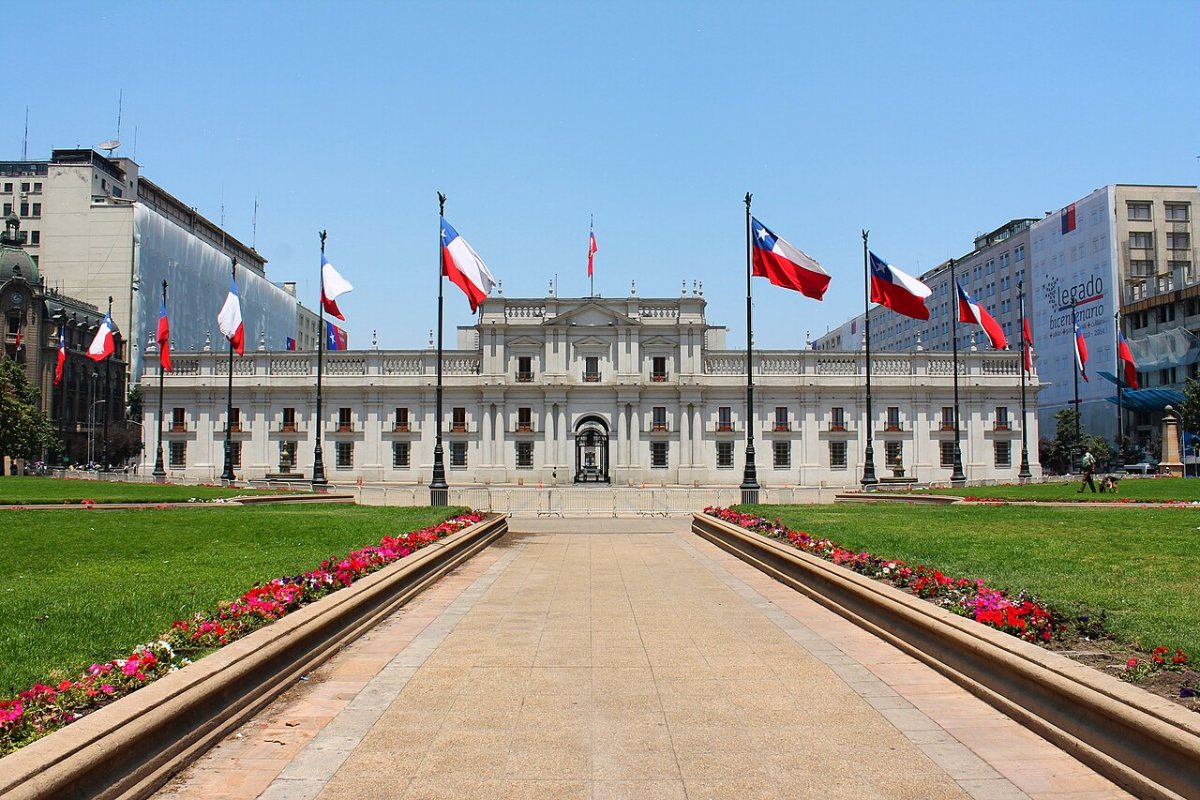
La Moneda Palace
Neoclassical seat of the Chilean president, bombed in the 1973 coup, with a cultural centre underneath and a changing of the guard.
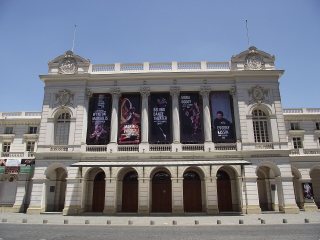
Municipal Theatre of Santiago
The city's grand 19th-century opera house and home of Chile's national opera and ballet; best visited for a performance or tour.

Santa Lucía Hill
Small hill in the centre where the city was founded, with terraces, fountains, stairways and a fort at the top for views.

Barrio Lastarria
Small historic neighbourhood of cobbled streets near Santa Lucía Hill, with cafes, bookshops, galleries and restaurants.

Barrio Bellavista
Bohemian neighbourhood at the foot of San Cristóbal Hill, with colourful street art, restaurants, bars and Neruda's house.

San Cristóbal Hill
Hill rising above the city, reached by funicular or cable car, with a statue of the Virgin Mary and views of the Andes.
Santiago in 2 days
Day 1
Mercado Central de Santiago
Cast-iron market hall of 1872 near the Mapocho River, known for its fish stalls and seafood restaurants.
Plaza de Armas
Santiago's main square, founded in 1541, with palm trees, chess players and street artists, ringed by the cathedral and old buildings.
Santiago Metropolitan Cathedral
Neoclassical cathedral on the Plaza de Armas, seat of the Archbishop of Santiago, with a richly decorated interior.
La Moneda Palace
Neoclassical seat of the Chilean president, bombed in the 1973 coup, with a cultural centre underneath and a changing of the guard.
Municipal Theatre of Santiago
The city's grand 19th-century opera house and home of Chile's national opera and ballet; best visited for a performance or tour.
Santa Lucía Hill
Small hill in the centre where the city was founded, with terraces, fountains, stairways and a fort at the top for views.
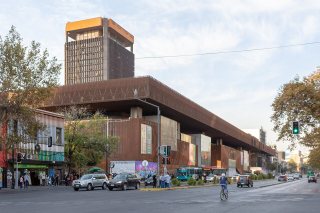
Centro Cultural Gabriela Mistral
Cultural centre named after the Nobel poet, with theatre, music, free exhibitions and cafes on the Alameda.
Barrio Lastarria
Small historic neighbourhood of cobbled streets near Santa Lucía Hill, with cafes, bookshops, galleries and restaurants.
Day 2
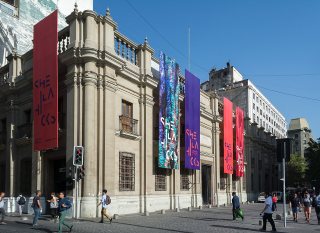
Museo Chileno de Arte Precolombino
Museum of pre-Columbian art from across the Americas, with textiles, ceramics and Andean objects, a block from the Plaza de Armas.
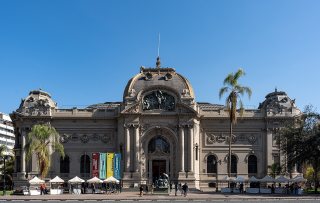
Chilean National Museum of Fine Arts
Chile's main art museum, in an elegant 1910 building in Forestal Park, with Chilean painting and sculpture.
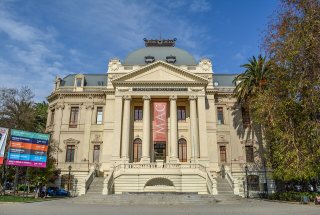
Santiago Museum of Contemporary Art
Contemporary art museum in the Palace of Fine Arts by Forestal Park, run by the University of Chile.

La Chascona
Pablo Neruda's quirky house in Bellavista, built for his lover Matilde Urrutia and filled with his collections.
Barrio Bellavista
Bohemian neighbourhood at the foot of San Cristóbal Hill, with colourful street art, restaurants, bars and Neruda's house.
San Cristóbal Hill
Hill rising above the city, reached by funicular or cable car, with a statue of the Virgin Mary and views of the Andes.
Santiago in 3 days
Day 1
Mercado Central de Santiago
Cast-iron market hall of 1872 near the Mapocho River, known for its fish stalls and seafood restaurants.
Plaza de Armas
Santiago's main square, founded in 1541, with palm trees, chess players and street artists, ringed by the cathedral and old buildings.
Santiago Metropolitan Cathedral
Neoclassical cathedral on the Plaza de Armas, seat of the Archbishop of Santiago, with a richly decorated interior.
La Moneda Palace
Neoclassical seat of the Chilean president, bombed in the 1973 coup, with a cultural centre underneath and a changing of the guard.
Municipal Theatre of Santiago
The city's grand 19th-century opera house and home of Chile's national opera and ballet; best visited for a performance or tour.
Santa Lucía Hill
Small hill in the centre where the city was founded, with terraces, fountains, stairways and a fort at the top for views.
Centro Cultural Gabriela Mistral
Cultural centre named after the Nobel poet, with theatre, music, free exhibitions and cafes on the Alameda.
Barrio Lastarria
Small historic neighbourhood of cobbled streets near Santa Lucía Hill, with cafes, bookshops, galleries and restaurants.
Day 2
Museo Chileno de Arte Precolombino
Museum of pre-Columbian art from across the Americas, with textiles, ceramics and Andean objects, a block from the Plaza de Armas.
Chilean National Museum of Fine Arts
Chile's main art museum, in an elegant 1910 building in Forestal Park, with Chilean painting and sculpture.
Santiago Museum of Contemporary Art
Contemporary art museum in the Palace of Fine Arts by Forestal Park, run by the University of Chile.
La Chascona
Pablo Neruda's quirky house in Bellavista, built for his lover Matilde Urrutia and filled with his collections.
Barrio Bellavista
Bohemian neighbourhood at the foot of San Cristóbal Hill, with colourful street art, restaurants, bars and Neruda's house.
San Cristóbal Hill
Hill rising above the city, reached by funicular or cable car, with a statue of the Virgin Mary and views of the Andes.
Day 3

Museum of Memory and Human Rights
Museum commemorating the victims of human rights violations under the military dictatorship from 1973 to 1990.

Quinta Normal Park
Large park west of the centre with a lake, gardens and several museums, including the Natural History Museum.
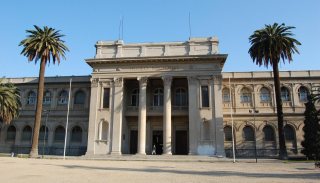
Chilean National Museum of Natural History
Chile's natural history museum in Quinta Normal Park, with a whale skeleton and an Inca child mummy found on El Plomo.
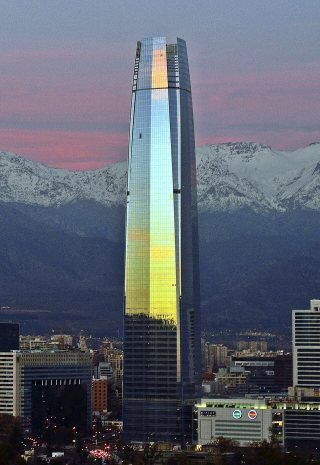
Gran Torre Costanera
South America's tallest building, in Providencia, with the Sky Costanera viewing deck on top and a large shopping mall below.
Watch: Santiago
A one-minute look at the plan: every stop, day by day, with the map.
When to go to Santiago
Spring, from September to November, and autumn, from March to May, bring mild sunny days and clear views of the Andes. Summer, from December to February, is hot and dry, and many locals leave the city in February. Winter, from June to August, is cool, with most of the year's rain and smog, and is ski season in the nearby Andes; the Fiestas Patrias fill the parks around 18 September.
Plan the rest of your trip
- Where to stay: hotels in Santiago on Booking.com or Trip.com
- Skip-the-line tickets: museums and sights in Santiago on Tiqets
- Tours and day trips: things to do in Santiago on GetYourGuide
- Data on arrival: an eSIM for Chile from Airalo
Some of these are affiliate links: we may earn a small commission at no extra cost to you.
Tips for Santiago
- Most of Santiago's museums close on Mondays; plan museum visits from Tuesday to Sunday.
- Book a visit to Pablo Neruda's house La Chascona ahead; it is seen with an audio guide and fills up at busy times.
- The funicular and cable car up San Cristóbal Hill give the best views of the city and the Andes, clearest on the morning after rain.
- The Metro is the quickest way to cross the city; a Bip! card is needed and can be topped up at stations.
- Tours of La Moneda Palace are free but must be booked online in advance; the changing of the guard takes place in front of the palace on alternate days.
Make it your own
Open the guide in Andiamo Places to see every stop on a map with walking directions, move places between days, check opening hours for your dates, and add your own finds. After the trip, your photos become a journal and, if you like, a printed photo book.



Guides are made with the help of AI and public sources such as Wikipedia, and may contain errors. Opening hours and prices change, so check before you go. Spotted a wrong photo, a pin in the wrong place, a missing stop or a better one? Write to andiamotravelapp@gmail.com: the e-mail opens with this guide filled in.
Photo credits
- Barrio Bellavista: Alejandro.rogers, Public domain
- Barrio Lastarria: OpenStreetMap contributors, CC BY-SA 4.0
- Centro Cultural Gabriela Mistral: Carlos yo, CC BY-SA 4.0
- Chilean National Museum of Fine Arts: Iswzo, CC BY-SA 4.0
- Chilean National Museum of Natural History: Diego Alarcón, CC BY-SA 3.0
- Gran Torre Costanera: javier, CC BY 2.0
- La Chascona: Marcelo Ois Lagarde, CC BY-SA 3.0
- La Moneda Palace: Miguel hernandez, CC BY-SA 2.0
- Mercado Central de Santiago: Carlos Figueroa Rojas, CC BY-SA 4.0
- Municipal Theatre of Santiago: Sfs90, CC BY-SA 4.0
- Museo Chileno de Arte Precolombino: Carlos Figueroa, CC BY-SA 4.0
- Museum of Memory and Human Rights: unknown author, Fair use
- Plaza de Armas: Apincheira, CC BY-SA 3.0
- Quinta Normal Park: Felipe Restrepo Acosta, CC BY-SA 4.0
- San Cristóbal Hill: Carlos yo, CC BY-SA 4.0
- Santa Lucía Hill: Dario Alpern, CC BY-SA 3.0
- Santiago Metropolitan Cathedral: Felipe Restrepo Acosta, CC BY-SA 4.0
- Santiago Museum of Contemporary Art: Carlos Figueroa, CC BY-SA 4.0
Opening hours change; check before you go. Map data © OpenStreetMap contributors.
