
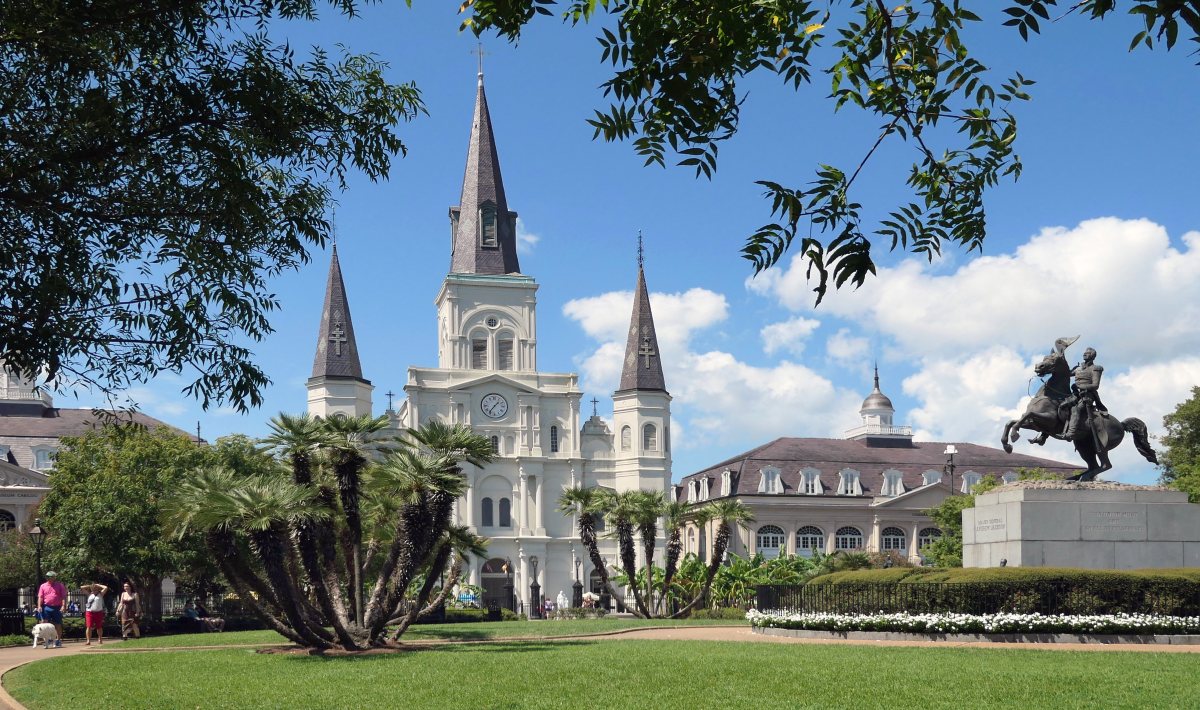
New Orleans itinerary: 1 to 7 days
Plans for one to seven days in New Orleans, day by day: Jackson Square, St. Louis Cathedral and Royal Street first, then the French Market and Preservation Hall, the National WWII Museum and the Garden District, Mardi Gras World and St. Louis Cemetery as you add days. Every stop has a typical visit length.
How long do you have?
Map: 3 days
New Orleans in 1 day
Day 1
Café du Monde
The open-air coffee stand by Jackson Square, known since 1862 for beignets and chicory café au lait.
Jackson Square
The historic square in front of St. Louis Cathedral, with Andrew Jackson's statue and street artists along its railings.
St. Louis Cathedral
The triple-spired cathedral on Jackson Square, one of the oldest Catholic cathedrals in continuous use in the US.
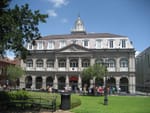
The Cabildo
The Spanish colonial town hall where the Louisiana Purchase transfer took place in 1803, now a Louisiana State Museum.
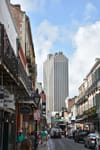
Royal Street, New Orleans
A French Quarter street of antique shops, art galleries and street musicians, one block from Bourbon Street.
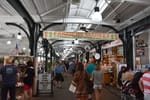
French Market
A market along the river spanning six blocks, with food stalls, a flea market and crafts, dating back to 1791.
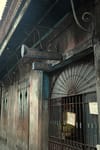
Preservation Hall
A small French Quarter hall devoted to traditional New Orleans jazz, with short concerts every evening.
New Orleans in 2 days
Day 1
Café du Monde
The open-air coffee stand by Jackson Square, known since 1862 for beignets and chicory café au lait.
Jackson Square
The historic square in front of St. Louis Cathedral, with Andrew Jackson's statue and street artists along its railings.
St. Louis Cathedral
The triple-spired cathedral on Jackson Square, one of the oldest Catholic cathedrals in continuous use in the US.
The Cabildo
The Spanish colonial town hall where the Louisiana Purchase transfer took place in 1803, now a Louisiana State Museum.
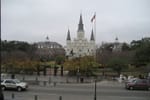
The Presbytere
A 1790s building beside St. Louis Cathedral, now a Louisiana State Museum on Mardi Gras and Hurricane Katrina.
Royal Street, New Orleans
A French Quarter street of antique shops, art galleries and street musicians, one block from Bourbon Street.
Day 2

The National WWII Museum
A large museum of the American experience of World War II, with aircraft, personal stories and immersive exhibits.
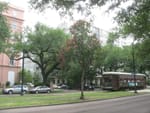
Garden District
A district of 19th-century mansions and gardens, best explored on foot, with Lafayette Cemetery No. 1.
New Orleans in 3 days
Day 1
Café du Monde
The open-air coffee stand by Jackson Square, known since 1862 for beignets and chicory café au lait.
Jackson Square
The historic square in front of St. Louis Cathedral, with Andrew Jackson's statue and street artists along its railings.
St. Louis Cathedral
The triple-spired cathedral on Jackson Square, one of the oldest Catholic cathedrals in continuous use in the US.
The Cabildo
The Spanish colonial town hall where the Louisiana Purchase transfer took place in 1803, now a Louisiana State Museum.
The Presbytere
A 1790s building beside St. Louis Cathedral, now a Louisiana State Museum on Mardi Gras and Hurricane Katrina.
Royal Street, New Orleans
A French Quarter street of antique shops, art galleries and street musicians, one block from Bourbon Street.
Day 2
French Market
A market along the river spanning six blocks, with food stalls, a flea market and crafts, dating back to 1791.
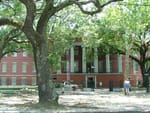
Old U.S. Mint
An 1835 mint building on Esplanade Avenue, now a museum of New Orleans jazz and of its minting history.
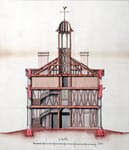
Old Ursuline Convent
A convent completed in the 1750s, often called the oldest building in the Mississippi Valley, now a museum.
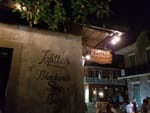
Lafitte's Blacksmith Shop
An 18th-century cottage on Bourbon Street, now a candlelit bar, said to be one of the oldest bars in the US.
Preservation Hall
A small French Quarter hall devoted to traditional New Orleans jazz, with short concerts every evening.
Day 3
The National WWII Museum
A large museum of the American experience of World War II, with aircraft, personal stories and immersive exhibits.
Garden District
A district of 19th-century mansions and gardens, best explored on foot, with Lafayette Cemetery No. 1.
New Orleans in 4 days
Day 1
Café du Monde
The open-air coffee stand by Jackson Square, known since 1862 for beignets and chicory café au lait.
Jackson Square
The historic square in front of St. Louis Cathedral, with Andrew Jackson's statue and street artists along its railings.
St. Louis Cathedral
The triple-spired cathedral on Jackson Square, one of the oldest Catholic cathedrals in continuous use in the US.
The Cabildo
The Spanish colonial town hall where the Louisiana Purchase transfer took place in 1803, now a Louisiana State Museum.
The Presbytere
A 1790s building beside St. Louis Cathedral, now a Louisiana State Museum on Mardi Gras and Hurricane Katrina.
Royal Street, New Orleans
A French Quarter street of antique shops, art galleries and street musicians, one block from Bourbon Street.
Day 2
French Market
A market along the river spanning six blocks, with food stalls, a flea market and crafts, dating back to 1791.
Old U.S. Mint
An 1835 mint building on Esplanade Avenue, now a museum of New Orleans jazz and of its minting history.
Old Ursuline Convent
A convent completed in the 1750s, often called the oldest building in the Mississippi Valley, now a museum.
Lafitte's Blacksmith Shop
An 18th-century cottage on Bourbon Street, now a candlelit bar, said to be one of the oldest bars in the US.
Preservation Hall
A small French Quarter hall devoted to traditional New Orleans jazz, with short concerts every evening.
Day 3
The National WWII Museum
A large museum of the American experience of World War II, with aircraft, personal stories and immersive exhibits.

Confederate Memorial Hall
Louisiana's oldest museum, opened in 1891, with Civil War artefacts, in the Warehouse District.
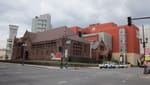
Ogden Museum of Southern Art
A museum of art from the American South, in the Warehouse Arts District near Lee Circle.
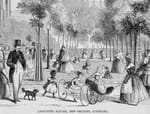
Lafayette Square
The city's second-oldest park, in the Central Business District, facing the Greek Revival Gallier Hall.
Day 4
Garden District
A district of 19th-century mansions and gardens, best explored on foot, with Lafayette Cemetery No. 1.

Mardi Gras World
The workshop where many Mardi Gras floats are designed and built, with guided tours among the giant props.
New Orleans in 5 days
Day 1
Café du Monde
The open-air coffee stand by Jackson Square, known since 1862 for beignets and chicory café au lait.
Jackson Square
The historic square in front of St. Louis Cathedral, with Andrew Jackson's statue and street artists along its railings.
St. Louis Cathedral
The triple-spired cathedral on Jackson Square, one of the oldest Catholic cathedrals in continuous use in the US.
The Cabildo
The Spanish colonial town hall where the Louisiana Purchase transfer took place in 1803, now a Louisiana State Museum.
The Presbytere
A 1790s building beside St. Louis Cathedral, now a Louisiana State Museum on Mardi Gras and Hurricane Katrina.
Royal Street, New Orleans
A French Quarter street of antique shops, art galleries and street musicians, one block from Bourbon Street.
Day 2
French Market
A market along the river spanning six blocks, with food stalls, a flea market and crafts, dating back to 1791.
Old U.S. Mint
An 1835 mint building on Esplanade Avenue, now a museum of New Orleans jazz and of its minting history.
Old Ursuline Convent
A convent completed in the 1750s, often called the oldest building in the Mississippi Valley, now a museum.
Lafitte's Blacksmith Shop
An 18th-century cottage on Bourbon Street, now a candlelit bar, said to be one of the oldest bars in the US.
Preservation Hall
A small French Quarter hall devoted to traditional New Orleans jazz, with short concerts every evening.
Day 3
The National WWII Museum
A large museum of the American experience of World War II, with aircraft, personal stories and immersive exhibits.
Confederate Memorial Hall
Louisiana's oldest museum, opened in 1891, with Civil War artefacts, in the Warehouse District.
Ogden Museum of Southern Art
A museum of art from the American South, in the Warehouse Arts District near Lee Circle.
Lafayette Square
The city's second-oldest park, in the Central Business District, facing the Greek Revival Gallier Hall.
Day 4
Garden District
A district of 19th-century mansions and gardens, best explored on foot, with Lafayette Cemetery No. 1.
Mardi Gras World
The workshop where many Mardi Gras floats are designed and built, with guided tours among the giant props.
Day 5
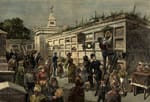
Saint Louis Cemetery
The city's historic Catholic cemeteries of above-ground tombs; No. 1, with Marie Laveau's tomb, is open by guided tour only.
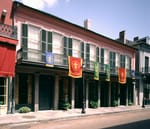
The Historic New Orleans Collection
A museum and research centre on Royal Street, with free exhibitions on the history of New Orleans and the Gulf South.
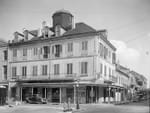
Napoleon House
A French Quarter building from the early 1800s said to have been offered to Napoleon in exile, now a bar and restaurant.
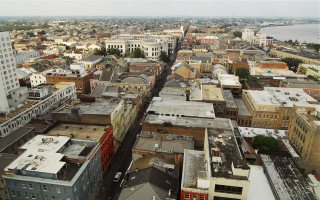
French Quarter
The city's oldest neighbourhood, with wrought-iron balconies, Bourbon Street, jazz clubs and Creole restaurants.
New Orleans in 6 days
Day 1
Café du Monde
The open-air coffee stand by Jackson Square, known since 1862 for beignets and chicory café au lait.
Jackson Square
The historic square in front of St. Louis Cathedral, with Andrew Jackson's statue and street artists along its railings.
St. Louis Cathedral
The triple-spired cathedral on Jackson Square, one of the oldest Catholic cathedrals in continuous use in the US.
The Cabildo
The Spanish colonial town hall where the Louisiana Purchase transfer took place in 1803, now a Louisiana State Museum.
The Presbytere
A 1790s building beside St. Louis Cathedral, now a Louisiana State Museum on Mardi Gras and Hurricane Katrina.
Royal Street, New Orleans
A French Quarter street of antique shops, art galleries and street musicians, one block from Bourbon Street.
Day 2
French Market
A market along the river spanning six blocks, with food stalls, a flea market and crafts, dating back to 1791.
Old U.S. Mint
An 1835 mint building on Esplanade Avenue, now a museum of New Orleans jazz and of its minting history.
Old Ursuline Convent
A convent completed in the 1750s, often called the oldest building in the Mississippi Valley, now a museum.
Lafitte's Blacksmith Shop
An 18th-century cottage on Bourbon Street, now a candlelit bar, said to be one of the oldest bars in the US.
Preservation Hall
A small French Quarter hall devoted to traditional New Orleans jazz, with short concerts every evening.
Day 3
The National WWII Museum
A large museum of the American experience of World War II, with aircraft, personal stories and immersive exhibits.
Lafayette Square
The city's second-oldest park, in the Central Business District, facing the Greek Revival Gallier Hall.
Day 4
Garden District
A district of 19th-century mansions and gardens, best explored on foot, with Lafayette Cemetery No. 1.
Mardi Gras World
The workshop where many Mardi Gras floats are designed and built, with guided tours among the giant props.
Day 5
Saint Louis Cemetery
The city's historic Catholic cemeteries of above-ground tombs; No. 1, with Marie Laveau's tomb, is open by guided tour only.
The Historic New Orleans Collection
A museum and research centre on Royal Street, with free exhibitions on the history of New Orleans and the Gulf South.
Napoleon House
A French Quarter building from the early 1800s said to have been offered to Napoleon in exile, now a bar and restaurant.
French Quarter
The city's oldest neighbourhood, with wrought-iron balconies, Bourbon Street, jazz clubs and Creole restaurants.
Day 6
Ogden Museum of Southern Art
A museum of art from the American South, in the Warehouse Arts District near Lee Circle.
Confederate Memorial Hall
Louisiana's oldest museum, opened in 1891, with Civil War artefacts, in the Warehouse District.
New Orleans in 7 days
Day 1
Café du Monde
The open-air coffee stand by Jackson Square, known since 1862 for beignets and chicory café au lait.
Jackson Square
The historic square in front of St. Louis Cathedral, with Andrew Jackson's statue and street artists along its railings.
St. Louis Cathedral
The triple-spired cathedral on Jackson Square, one of the oldest Catholic cathedrals in continuous use in the US.
The Cabildo
The Spanish colonial town hall where the Louisiana Purchase transfer took place in 1803, now a Louisiana State Museum.
The Presbytere
A 1790s building beside St. Louis Cathedral, now a Louisiana State Museum on Mardi Gras and Hurricane Katrina.
Royal Street, New Orleans
A French Quarter street of antique shops, art galleries and street musicians, one block from Bourbon Street.
Day 2
French Market
A market along the river spanning six blocks, with food stalls, a flea market and crafts, dating back to 1791.
Old U.S. Mint
An 1835 mint building on Esplanade Avenue, now a museum of New Orleans jazz and of its minting history.
Old Ursuline Convent
A convent completed in the 1750s, often called the oldest building in the Mississippi Valley, now a museum.
Lafitte's Blacksmith Shop
An 18th-century cottage on Bourbon Street, now a candlelit bar, said to be one of the oldest bars in the US.
Preservation Hall
A small French Quarter hall devoted to traditional New Orleans jazz, with short concerts every evening.
Day 3
The National WWII Museum
A large museum of the American experience of World War II, with aircraft, personal stories and immersive exhibits.
Lafayette Square
The city's second-oldest park, in the Central Business District, facing the Greek Revival Gallier Hall.
Day 4
Garden District
A district of 19th-century mansions and gardens, best explored on foot, with Lafayette Cemetery No. 1.
Day 5
Saint Louis Cemetery
The city's historic Catholic cemeteries of above-ground tombs; No. 1, with Marie Laveau's tomb, is open by guided tour only.
The Historic New Orleans Collection
A museum and research centre on Royal Street, with free exhibitions on the history of New Orleans and the Gulf South.
Napoleon House
A French Quarter building from the early 1800s said to have been offered to Napoleon in exile, now a bar and restaurant.
French Quarter
The city's oldest neighbourhood, with wrought-iron balconies, Bourbon Street, jazz clubs and Creole restaurants.
Day 6
Mardi Gras World
The workshop where many Mardi Gras floats are designed and built, with guided tours among the giant props.
Day 7
Ogden Museum of Southern Art
A museum of art from the American South, in the Warehouse Arts District near Lee Circle.
Confederate Memorial Hall
Louisiana's oldest museum, opened in 1891, with Civil War artefacts, in the Warehouse District.
Watch: New Orleans in 3 days
A one-minute look at the plan: every stop, day by day, with the map.
When to go to New Orleans
February to May is the best time for New Orleans, with mild weather and a busy festival season. Mardi Gras falls in February or early March, and Jazz Fest runs over two weekends in late April and early May; both raise hotel prices sharply. June to September is hot, humid and stormy, and the Atlantic hurricane season runs from June to November.
Plan the rest of your trip
- Where to stay: hotels in New Orleans on Booking.com or Trip.com
- Skip-the-line tickets: museums and sights in New Orleans on Tiqets
- Tours and day trips: things to do in New Orleans on GetYourGuide or on Viator
- From the airport: a private transfer in New Orleans with Kiwitaxi
- Sightseeing pass: save on New Orleans's top attractions with Go City
- Data on arrival: an eSIM for United States from Airalo
- Last day: leave your bags in New Orleans with Radical Storage and keep sightseeing
Some of these are affiliate links: we may earn a small commission at no extra cost to you.
Tips for New Orleans
- St. Louis Cemetery No. 1 can be visited only with a licensed guided tour; book one ahead.
- Summers are hot and humid; walk the French Quarter in the morning and evening.
- The St. Charles streetcar runs from Canal Street through the Garden District; pay with a Jazzy Pass or the Le Pass app.
- Preservation Hall concerts are short and seats are limited; book tickets in advance.
- Check the dates of Mardi Gras and Jazz Fest before booking: the city fills up and hotels sell out.
Make it your own
Open the guide in Andiamo Places to see every stop on a map with walking directions, move places between days, check opening hours for your dates, and add your own finds. After the trip, your photos become a journal and, if you like, a printed photo book.



Guides are made with the help of AI and public sources such as Wikipedia, and may contain errors. Opening hours and prices change, so check before you go. Spotted a wrong photo, a pin in the wrong place, a missing stop or a better one? Write to andiamotravelapp@gmail.com: the e-mail opens with this guide filled in.
Photo credits
- Café du Monde: Jeremykemp, CC BY-SA 3.0
- Confederate Memorial Hall: Nolabob, CC BY-SA 3.0
- French Market: MusikAnimal, CC BY-SA 4.0
- French Quarter: Chris Litherland, CC BY-SA 3.0
- Garden District: ( t / c / bio / en:WP:CHICAGO / en:WP:LOTM ), CC BY-SA 3.0
- Jackson Square: Bernard Spragg. NZ, CC0
- Lafayette Square: Not credited, Public domain
- Lafitte's Blacksmith Shop: Spatms, CC BY-SA 4.0
- Mardi Gras World: Paul Mannix, CC BY-SA 2.0
- Napoleon House: Richard Koch, Public domain
- Ogden Museum of Southern Art: Infrogmation of New Orleans, CC BY-SA 3.0
- Old U.S. Mint: unknown author, CC BY-SA 3.0
- Old Ursuline Convent: Ignace François Broutin, Public domain
- Preservation Hall: Francis Lee, CC BY-SA 3.0
- Royal Street, New Orleans: MusikAnimal, CC BY-SA 4.0
- Saint Louis Cemetery: John Durkin, Public domain
- St. Louis Cathedral: Infrogmation of New Orleans, CC BY 3.0
- The Cabildo: Infrogmation of New Orleans, CC BY-SA 3.0
- The Historic New Orleans Collection: Steve Sweet, CC BY-SA 3.0
- The National WWII Museum: ironypoisoning, CC BY-SA 2.0
- The Presbytere: Photo by Infrogmation , 2006-12-18, CC BY 2.5
Opening hours change; check before you go. Map data © OpenStreetMap contributors.
