
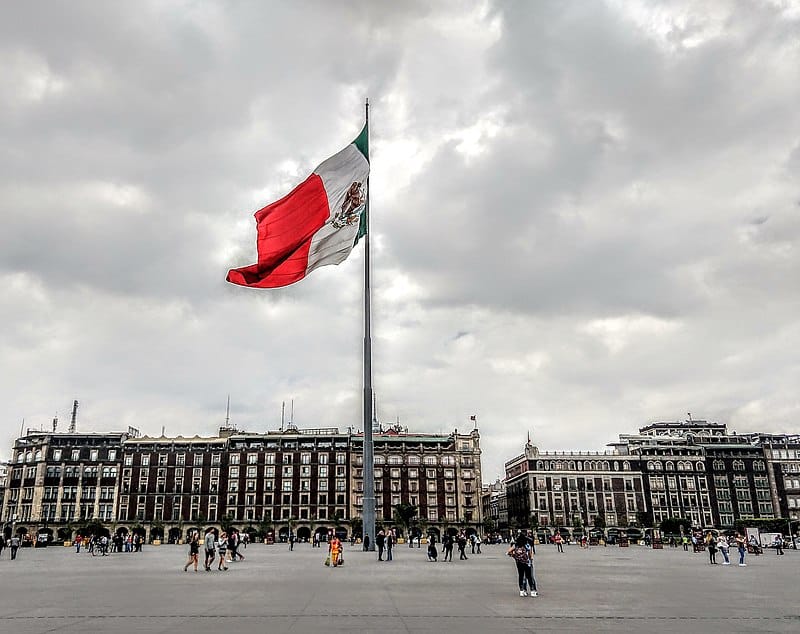
Mexico City itinerary: 1 to 7 days
Plans for one to seven days in Mexico City, day by day: the Zócalo and Templo Mayor, the Palacio de Bellas Artes and the historic centre first, then Chapultepec Castle and the National Museum of Anthropology, Coyoacán and the Frida Kahlo Museum, and smaller museums and parks as you add days. Every stop has a typical visit length.
How long do you have?
Map: 3 days
Mexico City in 1 day
Day 1
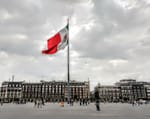
Zócalo
One of the largest city squares in the world, flanked by the Metropolitan Cathedral and the National Palace.

Metropolitan Cathedral
The largest cathedral in the Americas, on the Zócalo, built over nearly three centuries with baroque altars and a sinking, tilted interior.
Templo Mayor
The excavated ruins of the Aztecs' main temple in Tenochtitlan, beside the Zócalo, with a museum of the finds.
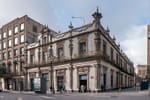
Casa de los Azulejos
The House of Tiles, an 18th-century palace covered in blue and white Puebla tiles, now a Sanborns restaurant and shop.
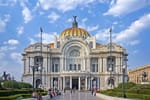
Palacio de Bellas Artes
The white marble opera house and arts centre with an Art Deco interior and murals by Rivera, Siqueiros and Orozco.
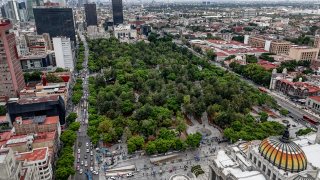
Alameda Central
The oldest public park in the Americas, laid out in 1592 beside the Palacio de Bellas Artes, with fountains and shady paths.
Mexico City in 2 days
Day 1
Zócalo
One of the largest city squares in the world, flanked by the Metropolitan Cathedral and the National Palace.
Metropolitan Cathedral
The largest cathedral in the Americas, on the Zócalo, built over nearly three centuries with baroque altars and a sinking, tilted interior.
Templo Mayor
The excavated ruins of the Aztecs' main temple in Tenochtitlan, beside the Zócalo, with a museum of the finds.
Casa de los Azulejos
The House of Tiles, an 18th-century palace covered in blue and white Puebla tiles, now a Sanborns restaurant and shop.
Palacio de Bellas Artes
The white marble opera house and arts centre with an Art Deco interior and murals by Rivera, Siqueiros and Orozco.
Alameda Central
The oldest public park in the Americas, laid out in 1592 beside the Palacio de Bellas Artes, with fountains and shady paths.
Day 2
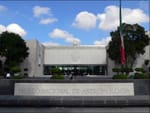
National Museum of Anthropology
Mexico's largest museum, with the Aztec Sun Stone and treasures of the Maya, Olmec and other ancient cultures.
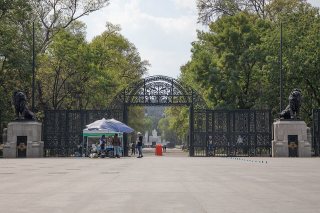
Chapultepec Castle
A hilltop castle in Chapultepec Park, once home of Emperor Maximilian, now the National History Museum with views down Reforma.
Mexico City in 3 days
Day 1
Zócalo
One of the largest city squares in the world, flanked by the Metropolitan Cathedral and the National Palace.
Metropolitan Cathedral
The largest cathedral in the Americas, on the Zócalo, built over nearly three centuries with baroque altars and a sinking, tilted interior.
Templo Mayor
The excavated ruins of the Aztecs' main temple in Tenochtitlan, beside the Zócalo, with a museum of the finds.
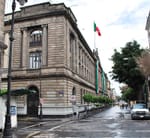
Secretariat of Public Education
The education ministry's headquarters in a former convent, its courtyards covered with more than 200 murals by Diego Rivera.
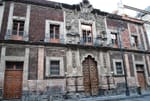
Caricature Museum, Mexico City
A small museum of Mexican cartoons and satirical drawings in an 18th-century Baroque building in the historic centre.
Day 2
Casa de los Azulejos
The House of Tiles, an 18th-century palace covered in blue and white Puebla tiles, now a Sanborns restaurant and shop.
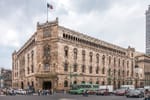
Palacio de Correos de Mexico
The ornate early 20th-century main post office, still in use, with a gilded staircase and ironwork inside.
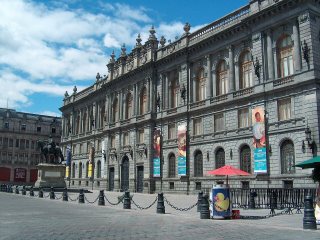
Museo Nacional de Arte
The national art museum (MUNAL), with Mexican art from the colonial era to the mid-20th century in a grand palace.
Palacio de Bellas Artes
The white marble opera house and arts centre with an Art Deco interior and murals by Rivera, Siqueiros and Orozco.
Alameda Central
The oldest public park in the Americas, laid out in 1592 beside the Palacio de Bellas Artes, with fountains and shady paths.
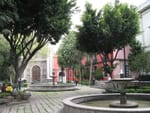
Franz Mayer Museum
Mexico's largest collection of decorative arts, from silver to furniture and ceramics, in a former hospital on the Alameda.

Torre Latinoamericana
A 1956 skyscraper in the historic centre whose top-floor observation deck gives a wide view over the city; it famously withstood major earthquakes.
Day 3
National Museum of Anthropology
Mexico's largest museum, with the Aztec Sun Stone and treasures of the Maya, Olmec and other ancient cultures.
Chapultepec Castle
A hilltop castle in Chapultepec Park, once home of Emperor Maximilian, now the National History Museum with views down Reforma.
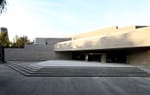
Museo Rufino Tamayo, Mexico City
A museum of contemporary art in Chapultepec Park, founded by the painter Rufino Tamayo around his own collection.
Mexico City in 4 days
Day 1
Zócalo
One of the largest city squares in the world, flanked by the Metropolitan Cathedral and the National Palace.
Metropolitan Cathedral
The largest cathedral in the Americas, on the Zócalo, built over nearly three centuries with baroque altars and a sinking, tilted interior.
Templo Mayor
The excavated ruins of the Aztecs' main temple in Tenochtitlan, beside the Zócalo, with a museum of the finds.
Secretariat of Public Education
The education ministry's headquarters in a former convent, its courtyards covered with more than 200 murals by Diego Rivera.
Caricature Museum, Mexico City
A small museum of Mexican cartoons and satirical drawings in an 18th-century Baroque building in the historic centre.
Day 2
Casa de los Azulejos
The House of Tiles, an 18th-century palace covered in blue and white Puebla tiles, now a Sanborns restaurant and shop.
Palacio de Correos de Mexico
The ornate early 20th-century main post office, still in use, with a gilded staircase and ironwork inside.
Museo Nacional de Arte
The national art museum (MUNAL), with Mexican art from the colonial era to the mid-20th century in a grand palace.
Palacio de Bellas Artes
The white marble opera house and arts centre with an Art Deco interior and murals by Rivera, Siqueiros and Orozco.
Alameda Central
The oldest public park in the Americas, laid out in 1592 beside the Palacio de Bellas Artes, with fountains and shady paths.
Franz Mayer Museum
Mexico's largest collection of decorative arts, from silver to furniture and ceramics, in a former hospital on the Alameda.
Torre Latinoamericana
A 1956 skyscraper in the historic centre whose top-floor observation deck gives a wide view over the city; it famously withstood major earthquakes.
Day 3
National Museum of Anthropology
Mexico's largest museum, with the Aztec Sun Stone and treasures of the Maya, Olmec and other ancient cultures.
Chapultepec Castle
A hilltop castle in Chapultepec Park, once home of Emperor Maximilian, now the National History Museum with views down Reforma.
Museo Rufino Tamayo, Mexico City
A museum of contemporary art in Chapultepec Park, founded by the painter Rufino Tamayo around his own collection.
Day 4
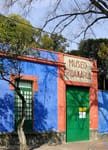
Frida Kahlo Museum
The Blue House in Coyoacán where Frida Kahlo was born and lived, with her studio, belongings and some of her works.

Coyoacán centre
The village-like heart of Coyoacán, where Jardín Centenario and Plaza Hidalgo hold a coyote fountain, the parish church and busy café terraces.
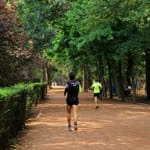
Viveros de Coyoacán
A large tree nursery and park in Coyoacán, popular with joggers and home to tame squirrels.
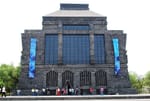
Anahuacalli Museum
A dark volcanic-stone building designed by Diego Rivera in Coyoacán to house his collection of pre-Hispanic art.

Xochimilco canals
Remnants of the Aztec canal network, where colourful trajinera boats carry visitors past floating gardens, with music, food and drink on board.
Mexico City in 5 days
Day 1
Zócalo
One of the largest city squares in the world, flanked by the Metropolitan Cathedral and the National Palace.
Metropolitan Cathedral
The largest cathedral in the Americas, on the Zócalo, built over nearly three centuries with baroque altars and a sinking, tilted interior.
Templo Mayor
The excavated ruins of the Aztecs' main temple in Tenochtitlan, beside the Zócalo, with a museum of the finds.
Secretariat of Public Education
The education ministry's headquarters in a former convent, its courtyards covered with more than 200 murals by Diego Rivera.
Caricature Museum, Mexico City
A small museum of Mexican cartoons and satirical drawings in an 18th-century Baroque building in the historic centre.
Day 2
Casa de los Azulejos
The House of Tiles, an 18th-century palace covered in blue and white Puebla tiles, now a Sanborns restaurant and shop.
Palacio de Correos de Mexico
The ornate early 20th-century main post office, still in use, with a gilded staircase and ironwork inside.
Museo Nacional de Arte
The national art museum (MUNAL), with Mexican art from the colonial era to the mid-20th century in a grand palace.
Palacio de Bellas Artes
The white marble opera house and arts centre with an Art Deco interior and murals by Rivera, Siqueiros and Orozco.
Alameda Central
The oldest public park in the Americas, laid out in 1592 beside the Palacio de Bellas Artes, with fountains and shady paths.
Franz Mayer Museum
Mexico's largest collection of decorative arts, from silver to furniture and ceramics, in a former hospital on the Alameda.
Torre Latinoamericana
A 1956 skyscraper in the historic centre whose top-floor observation deck gives a wide view over the city; it famously withstood major earthquakes.
Day 3
National Museum of Anthropology
Mexico's largest museum, with the Aztec Sun Stone and treasures of the Maya, Olmec and other ancient cultures.
Chapultepec Castle
A hilltop castle in Chapultepec Park, once home of Emperor Maximilian, now the National History Museum with views down Reforma.
Museo Rufino Tamayo, Mexico City
A museum of contemporary art in Chapultepec Park, founded by the painter Rufino Tamayo around his own collection.
Day 4
Frida Kahlo Museum
The Blue House in Coyoacán where Frida Kahlo was born and lived, with her studio, belongings and some of her works.
Coyoacán centre
The village-like heart of Coyoacán, where Jardín Centenario and Plaza Hidalgo hold a coyote fountain, the parish church and busy café terraces.
Viveros de Coyoacán
A large tree nursery and park in Coyoacán, popular with joggers and home to tame squirrels.
Anahuacalli Museum
A dark volcanic-stone building designed by Diego Rivera in Coyoacán to house his collection of pre-Hispanic art.
Xochimilco canals
Remnants of the Aztec canal network, where colourful trajinera boats carry visitors past floating gardens, with music, food and drink on board.
Day 5
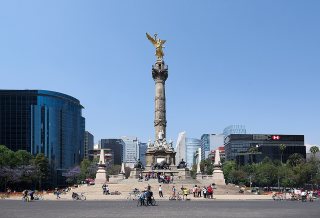
Angel of Independence
The gilded victory column on Paseo de la Reforma, built for the centenary of independence in 1910 and the city's best-known landmark.
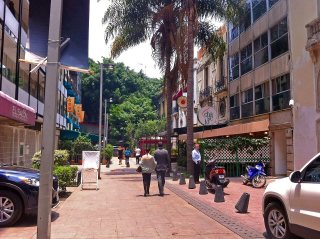
Zona Rosa, Mexico City
A neighbourhood off Paseo de la Reforma known for shopping, nightlife, its LGBT scene and Korean restaurants.
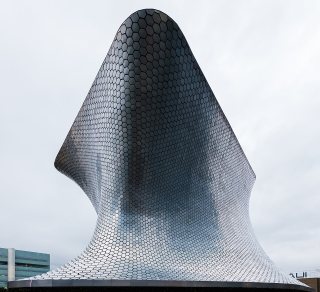
Museo Soumaya
Carlos Slim's private art museum in Polanco, in a shimmering curved building, with a large collection of Rodin sculptures.
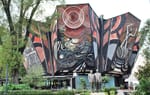
Polyforum Cultural Siqueiros
A cultural centre covered inside and out with murals by David Alfaro Siqueiros, beside the World Trade Center Mexico City.
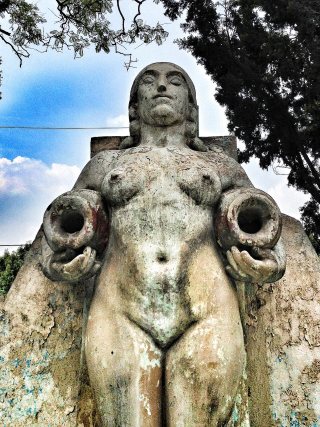
Parque México
A leafy Art Deco park at the heart of the Condesa neighbourhood, surrounded by cafés and dog walkers.
Mexico City in 6 days
Day 1
Zócalo
One of the largest city squares in the world, flanked by the Metropolitan Cathedral and the National Palace.
Metropolitan Cathedral
The largest cathedral in the Americas, on the Zócalo, built over nearly three centuries with baroque altars and a sinking, tilted interior.
Templo Mayor
The excavated ruins of the Aztecs' main temple in Tenochtitlan, beside the Zócalo, with a museum of the finds.
Secretariat of Public Education
The education ministry's headquarters in a former convent, its courtyards covered with more than 200 murals by Diego Rivera.
Caricature Museum, Mexico City
A small museum of Mexican cartoons and satirical drawings in an 18th-century Baroque building in the historic centre.
Day 2
Casa de los Azulejos
The House of Tiles, an 18th-century palace covered in blue and white Puebla tiles, now a Sanborns restaurant and shop.
Palacio de Correos de Mexico
The ornate early 20th-century main post office, still in use, with a gilded staircase and ironwork inside.
Museo Nacional de Arte
The national art museum (MUNAL), with Mexican art from the colonial era to the mid-20th century in a grand palace.
Palacio de Bellas Artes
The white marble opera house and arts centre with an Art Deco interior and murals by Rivera, Siqueiros and Orozco.
Alameda Central
The oldest public park in the Americas, laid out in 1592 beside the Palacio de Bellas Artes, with fountains and shady paths.
Torre Latinoamericana
A 1956 skyscraper in the historic centre whose top-floor observation deck gives a wide view over the city; it famously withstood major earthquakes.
Day 3
National Museum of Anthropology
Mexico's largest museum, with the Aztec Sun Stone and treasures of the Maya, Olmec and other ancient cultures.
Chapultepec Castle
A hilltop castle in Chapultepec Park, once home of Emperor Maximilian, now the National History Museum with views down Reforma.
Museo Rufino Tamayo, Mexico City
A museum of contemporary art in Chapultepec Park, founded by the painter Rufino Tamayo around his own collection.
Day 4
Frida Kahlo Museum
The Blue House in Coyoacán where Frida Kahlo was born and lived, with her studio, belongings and some of her works.
Coyoacán centre
The village-like heart of Coyoacán, where Jardín Centenario and Plaza Hidalgo hold a coyote fountain, the parish church and busy café terraces.
Viveros de Coyoacán
A large tree nursery and park in Coyoacán, popular with joggers and home to tame squirrels.
Anahuacalli Museum
A dark volcanic-stone building designed by Diego Rivera in Coyoacán to house his collection of pre-Hispanic art.
Xochimilco canals
Remnants of the Aztec canal network, where colourful trajinera boats carry visitors past floating gardens, with music, food and drink on board.
Day 5
Angel of Independence
The gilded victory column on Paseo de la Reforma, built for the centenary of independence in 1910 and the city's best-known landmark.
Zona Rosa, Mexico City
A neighbourhood off Paseo de la Reforma known for shopping, nightlife, its LGBT scene and Korean restaurants.
Museo Soumaya
Carlos Slim's private art museum in Polanco, in a shimmering curved building, with a large collection of Rodin sculptures.
Polyforum Cultural Siqueiros
A cultural centre covered inside and out with murals by David Alfaro Siqueiros, beside the World Trade Center Mexico City.
Parque México
A leafy Art Deco park at the heart of the Condesa neighbourhood, surrounded by cafés and dog walkers.
Day 6
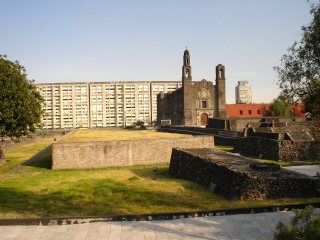
Plaza de las Tres Culturas
A square in Tlatelolco where Aztec ruins, a colonial church and modern towers stand side by side; site of the 1968 massacre.

La Lagunilla Market
A long-running neighbourhood market; on Sundays an antiques and flea market fills the surrounding streets with furniture, vintage goods and curiosities.
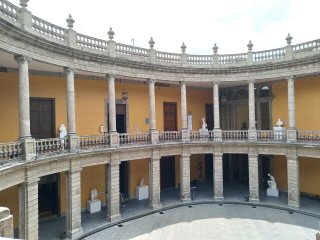
Museo Nacional de San Carlos
A museum of European art from the 14th to the early 20th century, in a neoclassical mansion in the Tabacalera district.
Franz Mayer Museum
Mexico's largest collection of decorative arts, from silver to furniture and ceramics, in a former hospital on the Alameda.
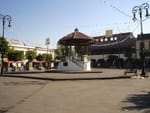
Plaza Garibaldi
The square where mariachi bands gather and play for hire, liveliest in the evening; also home to the Tequila and Mezcal Museum.
Mexico City in 7 days
Day 1
Zócalo
One of the largest city squares in the world, flanked by the Metropolitan Cathedral and the National Palace.
Metropolitan Cathedral
The largest cathedral in the Americas, on the Zócalo, built over nearly three centuries with baroque altars and a sinking, tilted interior.
Templo Mayor
The excavated ruins of the Aztecs' main temple in Tenochtitlan, beside the Zócalo, with a museum of the finds.
Secretariat of Public Education
The education ministry's headquarters in a former convent, its courtyards covered with more than 200 murals by Diego Rivera.
Day 2
Casa de los Azulejos
The House of Tiles, an 18th-century palace covered in blue and white Puebla tiles, now a Sanborns restaurant and shop.
Palacio de Correos de Mexico
The ornate early 20th-century main post office, still in use, with a gilded staircase and ironwork inside.
Museo Nacional de Arte
The national art museum (MUNAL), with Mexican art from the colonial era to the mid-20th century in a grand palace.
Palacio de Bellas Artes
The white marble opera house and arts centre with an Art Deco interior and murals by Rivera, Siqueiros and Orozco.
Alameda Central
The oldest public park in the Americas, laid out in 1592 beside the Palacio de Bellas Artes, with fountains and shady paths.
Torre Latinoamericana
A 1956 skyscraper in the historic centre whose top-floor observation deck gives a wide view over the city; it famously withstood major earthquakes.
Day 3
National Museum of Anthropology
Mexico's largest museum, with the Aztec Sun Stone and treasures of the Maya, Olmec and other ancient cultures.
Chapultepec Castle
A hilltop castle in Chapultepec Park, once home of Emperor Maximilian, now the National History Museum with views down Reforma.
Museo Rufino Tamayo, Mexico City
A museum of contemporary art in Chapultepec Park, founded by the painter Rufino Tamayo around his own collection.
Day 4
Frida Kahlo Museum
The Blue House in Coyoacán where Frida Kahlo was born and lived, with her studio, belongings and some of her works.
Coyoacán centre
The village-like heart of Coyoacán, where Jardín Centenario and Plaza Hidalgo hold a coyote fountain, the parish church and busy café terraces.
Viveros de Coyoacán
A large tree nursery and park in Coyoacán, popular with joggers and home to tame squirrels.
Anahuacalli Museum
A dark volcanic-stone building designed by Diego Rivera in Coyoacán to house his collection of pre-Hispanic art.
Xochimilco canals
Remnants of the Aztec canal network, where colourful trajinera boats carry visitors past floating gardens, with music, food and drink on board.
Day 5
Angel of Independence
The gilded victory column on Paseo de la Reforma, built for the centenary of independence in 1910 and the city's best-known landmark.
Zona Rosa, Mexico City
A neighbourhood off Paseo de la Reforma known for shopping, nightlife, its LGBT scene and Korean restaurants.
Museo Soumaya
Carlos Slim's private art museum in Polanco, in a shimmering curved building, with a large collection of Rodin sculptures.
Polyforum Cultural Siqueiros
A cultural centre covered inside and out with murals by David Alfaro Siqueiros, beside the World Trade Center Mexico City.
Parque México
A leafy Art Deco park at the heart of the Condesa neighbourhood, surrounded by cafés and dog walkers.
Day 6
Plaza de las Tres Culturas
A square in Tlatelolco where Aztec ruins, a colonial church and modern towers stand side by side; site of the 1968 massacre.
La Lagunilla Market
A long-running neighbourhood market; on Sundays an antiques and flea market fills the surrounding streets with furniture, vintage goods and curiosities.
Museo Nacional de San Carlos
A museum of European art from the 14th to the early 20th century, in a neoclassical mansion in the Tabacalera district.
Franz Mayer Museum
Mexico's largest collection of decorative arts, from silver to furniture and ceramics, in a former hospital on the Alameda.
Plaza Garibaldi
The square where mariachi bands gather and play for hire, liveliest in the evening; also home to the Tequila and Mezcal Museum.
Day 7

Teotihuacan
The vast pre-Hispanic city north-east of Mexico City, known for the Avenue of the Dead and the towering Pyramids of the Sun and Moon.

Historic center of Mexico City
The old heart of the city, a UNESCO World Heritage Site of colonial palaces and churches built on the ruins of Tenochtitlan.
Watch: Mexico City in 3 days
A one-minute look at the plan: every stop, day by day, with the map.
When to go to Mexico City
March to May is warm and mostly dry in Mexico City, though April and May are the warmest and smoggiest months. The rainy season from June to September brings short afternoon downpours, while November to February is dry and sunny with chilly nights. Day of the Dead, from late October to 2 November, brings a large parade, altars and marigold decorations.
Plan the rest of your trip
- Where to stay: hotels in Mexico City on Booking.com or Trip.com
- Skip-the-line tickets: museums and sights in Mexico City on Tiqets
- Tours and day trips: things to do in Mexico City on GetYourGuide or on Viator
- From the airport: a private transfer in Mexico City with Kiwitaxi
- Data on arrival: an eSIM for Mexico from Airalo
- Last day: leave your bags in Mexico City with Radical Storage and keep sightseeing
Some of these are affiliate links: we may earn a small commission at no extra cost to you.
Tips for Mexico City
- Most museums, including the Anthropology Museum, Chapultepec Castle, Templo Mayor and the Frida Kahlo Museum, close on Mondays.
- Tickets for the Frida Kahlo Museum (Casa Azul) are sold online for set times and often sell out; book well ahead.
- The city sits at about 2,240 m: take the first day easy and drink plenty of water.
- Coyoacán's sights (the Casa Azul, Anahuacalli, the Interventions museum and Viveros) are close together, so see them on the same day.
- The metro is the fastest way across the city but very crowded at rush hour; use app-based or authorised taxis rather than hailing on the street.
Make it your own
Open the guide in Andiamo Places to see every stop on a map with walking directions, move places between days, check opening hours for your dates, and add your own finds. After the trip, your photos become a journal and, if you like, a printed photo book.



Guides are made with the help of AI and public sources such as Wikipedia, and may contain errors. Opening hours and prices change, so check before you go. Spotted a wrong photo, a pin in the wrong place, a missing stop or a better one? Write to andiamotravelapp@gmail.com: the e-mail opens with this guide filled in.
Photo credits
- Alameda Central: ProtoplasmaKid, CC BY-SA 4.0
- Anahuacalli Museum: AlejandroLinaresGarcia, CC BY-SA 4.0
- Angel of Independence: Carlos Valenzuela, CC BY-SA 4.0
- Caricature Museum, Mexico City: AlejandroLinaresGarcia, CC BY-SA 4.0
- Casa de los Azulejos: Thomas Ledl, CC BY-SA 4.0
- Chapultepec Castle: EneasMx, CC BY-SA 4.0
- Coyoacán centre: DavidGomezChiu, CC BY-SA 3.0
- Franz Mayer Museum: Thelmadatter, Public domain
- Frida Kahlo Museum: No machine-readable author provided. Nachtwächter assumed (based on copyright claims)., CC BY-SA 3.0
- Historic center of Mexico City: DenyDenisse, CC BY-SA 4.0
- La Lagunilla Market: Thelmadatter, Public domain
- Metropolitan Cathedral: Ulisesmorales, CC BY-SA 3.0
- Museo Nacional de Arte: SCOTTNICHOLAY, CC BY-SA 4.0
- Museo Nacional de San Carlos: David Moran from Brooklyn, CC BY-SA 2.0
- Museo Rufino Tamayo, Mexico City: Museo Tamayo Arte Contemporáneo, CC BY-SA 3.0
- Museo Soumaya: Diego Delso, CC BY-SA 4.0
- National Museum of Anthropology: kornemuz, CC BY-SA 3.0
- Palacio de Bellas Artes: Xavier Quetzalcoatl Contreras Castillo, CC BY-SA 3.0
- Palacio de Correos de Mexico: Thomas Ledl, CC BY-SA 4.0
- Parque México: Keizers, CC BY-SA 3.0
- Plaza Garibaldi: JEDIKNIGHT1970, CC BY 2.5
- Plaza de las Tres Culturas: No machine-readable author provided. JEDIKNIGHT1970 assumed (based on copyright claims)., CC BY 2.5
- Polyforum Cultural Siqueiros: AlejandroLinaresGarcia, CC BY-SA 3.0
- Secretariat of Public Education: Thelmadatter, CC BY-SA 3.0
- Templo Mayor: GAED, CC BY-SA 3.0
- Teotihuacan: Hdlrosa, CC BY-SA 4.0
- Viveros de Coyoacán: Gobierno de la Ciudad de México, CC BY-SA 4.0
- Xochimilco canals: ProtoplasmaKid, CC BY-SA 4.0
- Zona Rosa, Mexico City: Francisco Peláez, CC BY-SA 3.0
- Zócalo: DenyDenisse, CC BY-SA 4.0
Opening hours change; check before you go. Map data © OpenStreetMap contributors.
