
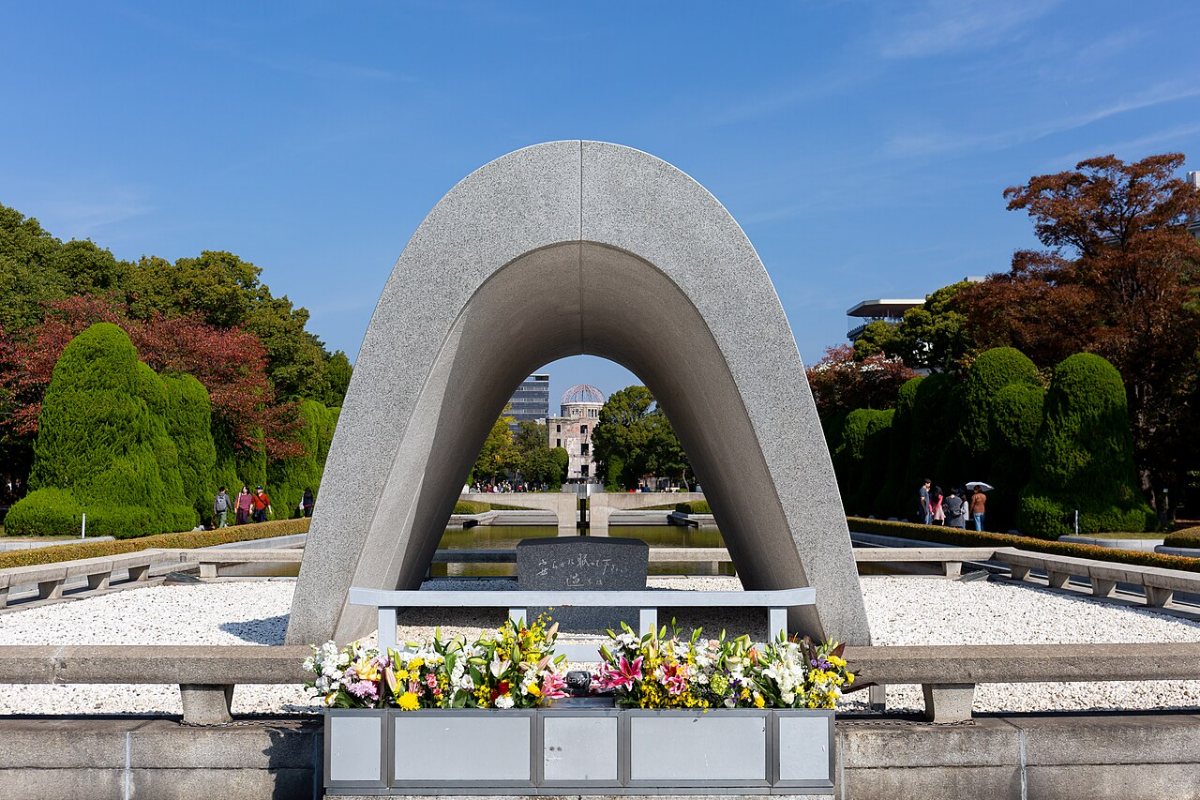
Hiroshima itinerary: 1 to 3 days
Plans for one to three days in Hiroshima, day by day: the Peace Memorial Park, the Children's Peace Monument and the Atomic Bomb Dome first, then Shukkei-en garden, the castle grounds and Okonomi-mura, and art museums, Mitaki-dera and the zoo as you add days. Every stop has a typical visit length.
How long do you have?
Map: 3 days
Hiroshima in 1 day
Day 1

Hiroshima Peace Memorial Park
Large park at the bomb's hypocentre, with the Peace Memorial Museum, cenotaph and eternal flame.

Hiroshima Peace Memorial Museum
The museum on the atomic bombing of 1945 and its victims, in the Peace Memorial Park; allow at least two hours.
Hiroshima Peace Memorial
The Atomic Bomb Dome, ruins of a 1915 exhibition hall left as they stood after 1945; a UNESCO World Heritage Site.
Hiroshima in 2 days
Day 1
Hiroshima Peace Memorial Park
Large park at the bomb's hypocentre, with the Peace Memorial Museum, cenotaph and eternal flame.
Hiroshima Peace Memorial Museum
The museum on the atomic bombing of 1945 and its victims, in the Peace Memorial Park; allow at least two hours.
Hiroshima Peace Memorial
The Atomic Bomb Dome, ruins of a 1915 exhibition hall left as they stood after 1945; a UNESCO World Heritage Site.
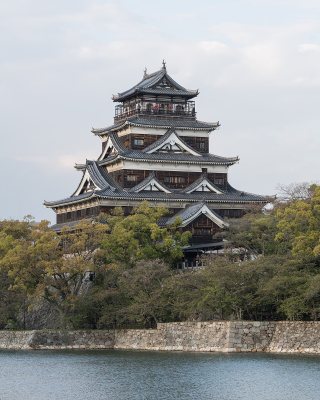
Hiroshima Castle
Reconstructed castle in a moated park; the keep is closed since 2026, but the grounds and gates are open.
Shukkei-en
Edo-period strolling garden from 1620 with a central pond, bridges, teahouses and miniature landscapes.
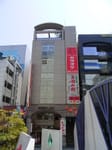
Okonomi-mura
Building with over 20 small okonomiyaki counters on three floors, a classic place for Hiroshima's signature dish.
Day 2

Itsukushima Shrine
UNESCO-listed Shinto shrine on Miyajima island, famous for its torii gate that seems to float at high tide; reach it by ferry.
Hiroshima in 3 days
Day 1
Hiroshima Peace Memorial Park
Large park at the bomb's hypocentre, with the Peace Memorial Museum, cenotaph and eternal flame.
Hiroshima Peace Memorial Museum
The museum on the atomic bombing of 1945 and its victims, in the Peace Memorial Park; allow at least two hours.
Hiroshima Peace Memorial
The Atomic Bomb Dome, ruins of a 1915 exhibition hall left as they stood after 1945; a UNESCO World Heritage Site.
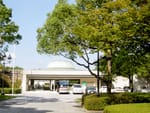
Hiroshima Museum of Art
Museum in Central Park with French Impressionist works by Monet, Renoir, Van Gogh and Picasso.
Day 2
Shukkei-en
Edo-period strolling garden from 1620 with a central pond, bridges, teahouses and miniature landscapes.

Hiroshima Prefectural Art Museum
Art museum next to Shukkei-en with Japanese and Western works, including Dali's Dream of Venus.
Hiroshima Castle
Reconstructed castle in a moated park; the keep is closed since 2026, but the grounds and gates are open.
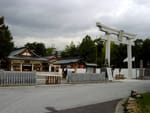
Hiroshima Gokoku Shrine
Shinto shrine inside the castle grounds, popular for New Year and children's blessing ceremonies.
Okonomi-mura
Building with over 20 small okonomiyaki counters on three floors, a classic place for Hiroshima's signature dish.
Day 3
Itsukushima Shrine
UNESCO-listed Shinto shrine on Miyajima island, famous for its torii gate that seems to float at high tide; reach it by ferry.
Watch: Hiroshima
A one-minute look at the plan: every stop, day by day, with the map.
When to go to Hiroshima
March to May and October to November are the best months, with mild weather; cherry blossoms usually bloom in late March to early April and autumn colours peak in November at Miyajima. June to July is the rainy season, and August is hot and humid. The Peace Memorial Ceremony on 6 August draws large crowds.
Plan the rest of your trip
- Where to stay: hotels in Hiroshima on Booking.com or Trip.com
- Skip-the-line tickets: museums and sights in Hiroshima on Tiqets
- Tours and day trips: things to do in Hiroshima on GetYourGuide or on Viator
- Data on arrival: an eSIM for Japan from Airalo
- Last day: leave your bags in Hiroshima with Radical Storage and keep sightseeing
Some of these are affiliate links: we may earn a small commission at no extra cost to you.
Tips for Hiroshima
- The Peace Memorial Museum is busy from mid-morning; arrive at opening or book a timed ticket online in peak seasons.
- The castle's main keep closed to visitors in March 2026 for structural reasons; the grounds and Gokoku Shrine remain open.
- The Hiroshima Sightseeing Loop Bus (Meipuru-pu) and the city trams link the main sights; IC cards like Suica and ICOCA work on both.
- Plan a separate half or full day for Miyajima (Itsukushima Shrine), reached by JR train and ferry; a small visitor tax is charged.
- Try Hiroshima-style okonomiyaki with noodles; Carp baseball games at Mazda Stadium run roughly April to September.
Make it your own
Open the guide in Andiamo Places to see every stop on a map with walking directions, move places between days, check opening hours for your dates, and add your own finds. After the trip, your photos become a journal and, if you like, a printed photo book.



Guides are made with the help of AI and public sources such as Wikipedia, and may contain errors. Opening hours and prices change, so check before you go. Spotted a wrong photo, a pin in the wrong place, a missing stop or a better one? Write to andiamotravelapp@gmail.com: the e-mail opens with this guide filled in.
Photo credits
- Hiroshima Castle: DXR, CC BY-SA 4.0
- Hiroshima Gokoku Shrine: Taisyo at Japanese Wikipedia, CC BY-SA 3.0
- Hiroshima Museum of Art: The original uploader was Kiyokun at English Wikipedia ., CC BY 3.0
- Hiroshima Peace Memorial: Oilstreet, CC BY 2.5
- Hiroshima Peace Memorial Museum: Wiiii, CC BY-SA 3.0
- Hiroshima Peace Memorial Park: Balon Greyjoy, CC0
- Hiroshima Prefectural Art Museum: Taisyo at Japanese Wikipedia, CC BY 3.0
- Itsukushima Shrine: redlegsfan21, CC BY-SA 2.0
- Okonomi-mura: Taisyo ; Uploaded to Commons by Nihonjoe, CC BY 3.0
- Shukkei-en: No machine-readable author provided. Fg2 assumed (based on copyright claims)., Public domain
Opening hours change; check before you go. Map data © OpenStreetMap contributors.
