
Varanasi itinerary: 1 to 2 days
Plans for one and two days in Varanasi, day by day: Ramnagar Fort, Dashashwamedh Ghat, Kashi Vishwanath Temple and Manikarnika Ghat first, then Sankat Mochan Hanuman Temple, Banaras Hindu University and Assi Ghat, and Sarnath's Dhamek Stupa, museum and Chaukhandi Stupa as you add a day. Every stop has a typical visit length.
How long do you have?
Map: 2 days
Varanasi in 1 day
Day 1
Ramnagar Fort
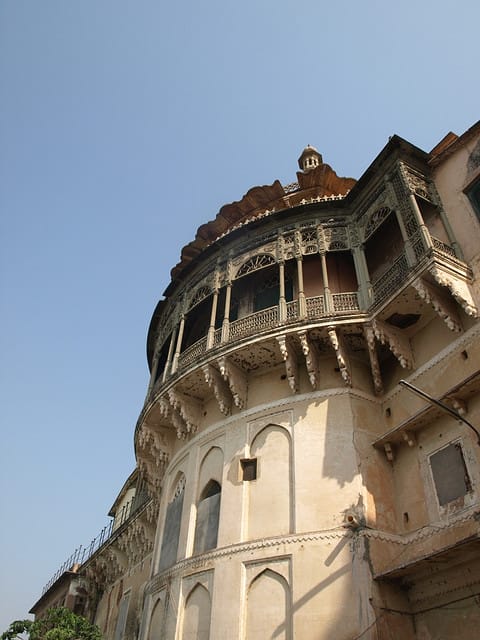
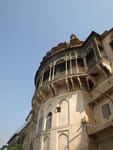
Fort of the 18th century on the east bank of the Ganga, seat of the Maharaja of Benares, with a museum of vintage cars.
Dashashwamedh Ghat
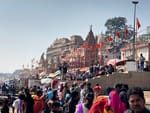
The main ghat in Varanasi, busy all day with bathers and boats and best known for the nightly Ganga aarti ceremony.

Kashi Vishwanath Temple
One of the most sacred Shiva temples in India, in the old city near the Ganges and rebuilt in the 18th century.
Manikarnika Ghat
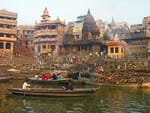
The city's main cremation ghat, where fires burn day and night; visitors watch quietly from a distance, and photography is not allowed.
Varanasi in 2 days
Day 1
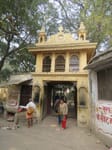
Sankat Mochan Hanuman Temple
Temple to Hanuman in the south of the city, said to be founded by the poet Tulsidas and very busy on Tuesdays and Saturdays.

Banaras Hindu University
Large university campus founded in 1916, with the Bharat Kala Bhavan museum and the New Vishwanath Temple.

Assi Ghat
The southernmost ghat on the Ganga, where pilgrims bathe at dawn and a morning aarti and music are held, with cafes nearby.
Dashashwamedh Ghat
The main ghat in Varanasi, busy all day with bathers and boats and best known for the nightly Ganga aarti ceremony.
Kashi Vishwanath Temple
One of the most sacred Shiva temples in India, in the old city near the Ganges and rebuilt in the 18th century.
Manikarnika Ghat
The city's main cremation ghat, where fires burn day and night; visitors watch quietly from a distance, and photography is not allowed.
Day 2
Ramnagar Fort
Fort of the 18th century on the east bank of the Ganga, seat of the Maharaja of Benares, with a museum of vintage cars.
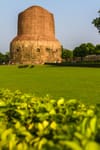
Dhamek Stupa
Large cylindrical Buddhist stupa of the 5th century at Sarnath, near the spot where the Buddha taught his first sermon.

Sarnath Archaeological Museum
Museum at Sarnath holding Buddhist sculpture, including the Ashoka Lion Capital that became India's national emblem.
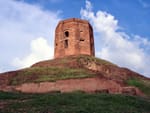
Chaukhandi Stupa
Ruined Buddhist stupa mound in Sarnath topped by an octagonal tower added in the 16th century, marking where the Buddha met his first disciples.
Watch: Varanasi
A one-minute look at the plan: every stop, day by day, with the map.
When to go to Varanasi
The cooler months from October to March are the best time, with pleasant days and clear mornings on the river; November's Dev Deepawali, when the ghats are lit with lamps, is a highlight. April to June is extremely hot, and the monsoon from July to September brings high river levels that can flood the lower ghats and stop boat rides. Winter mornings can be foggy.
Plan the rest of your trip
- Where to stay: hotels in Varanasi on Booking.com or Trip.com
- Skip-the-line tickets: museums and sights in Varanasi on Tiqets
- Tours and day trips: things to do in Varanasi on GetYourGuide
- From the airport: a private transfer in Varanasi with Kiwitaxi
- Data on arrival: an eSIM for India from Airalo
Some of these are affiliate links: we may earn a small commission at no extra cost to you.
Tips for Varanasi
- The ghats are best seen from a rowing boat at sunrise, and the evening Ganga aarti at Dashashwamedh Ghat starts at dusk; arrive early for a place near the front.
- Photography at Manikarnika Ghat, the main cremation ground, is not allowed and the area should be visited quietly and respectfully.
- Temples and mosques expect modest dress and have security checks; bags, phones and cameras are often not allowed near the Kashi Vishwanath area, so carry little.
- The old city lanes are narrow and best walked; autorickshaws and boats cover longer distances, and traffic can be heavy on the bridge to Ramnagar Fort.
- Sarnath, where the Buddha gave his first sermon, is about 10 km north of the ghats and has a museum and the Dhamek Stupa; allow half a day for the trip.
Make it your own
Open the guide in Andiamo Places to see every stop on a map with walking directions, move places between days, check opening hours for your dates, and add your own finds. After the trip, your photos become a journal and, if you like, a printed photo book.



Guides are made with the help of AI and public sources such as Wikipedia, and may contain errors. Opening hours and prices change, so check before you go. Spotted a wrong photo, a pin in the wrong place, a missing stop or a better one? Write to andiamotravelapp@gmail.com: the e-mail opens with this guide filled in.
Photo credits
- Assi Ghat: Titodutta, CC0
- Banaras Hindu University: unknown author, Fair use
- Chaukhandi Stupa: Christopher Walker, CC BY-SA 2.0
- Dashashwamedh Ghat: Maskaravivek, CC BY-SA 3.0
- Dhamek Stupa: GONG JIE, CC BY-SA 3.0
- Kashi Vishwanath Temple: Architkumar1234, CC BY-SA 4.0
- Manikarnika Ghat: Dennis G. Jarvis, CC BY-SA 2.0
- Ramnagar Fort: Brian, CC BY-SA 2.0
- Sankat Mochan Hanuman Temple: Vinayaraj, CC BY-SA 4.0
- Sarnath Archaeological Museum: सत्यम् मिश्र, CC BY-SA 4.0
Opening hours change; check before you go. Map data © OpenStreetMap contributors.
