
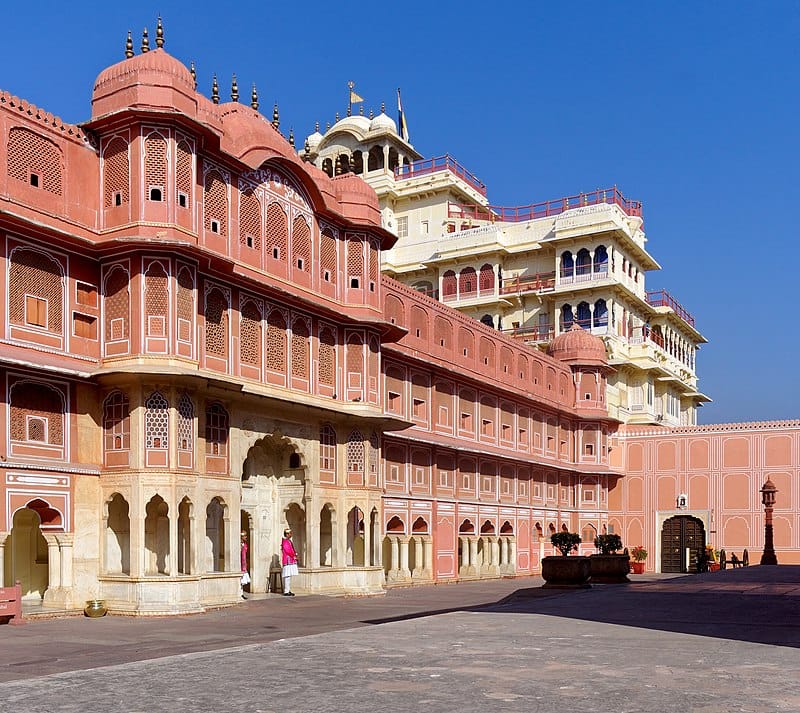
Jaipur itinerary: 1 to 5 days
Plans for one to five days in Jaipur, day by day: the City Palace, Hawa Mahal, Jal Mahal and the hill forts of Amer and Jaigarh first, then Jantar Mantar and Nahargarh Fort, and the Albert Hall Museum, Birla Mandir and the Galtaji temples as you add days. Every stop has a typical visit length.
How long do you have?
Map: 3 days
Jaipur in 1 day
Day 1
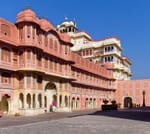
City Palace, Jaipur
Royal palace complex in the heart of the old city, still partly home to the royal family, with museums and courtyards.
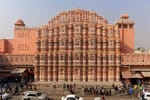
Hawa Mahal
Palace of the Winds, a five-storey pink sandstone facade of 953 small windows built for royal women to watch street life.
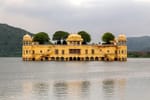
Jal Mahal
Palace in the middle of Man Sagar Lake on the road to Amer, seen from the shore; the interior is closed.
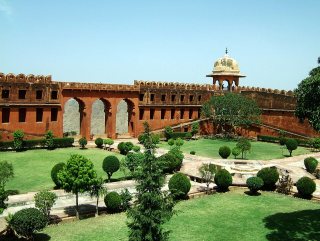
Jaigarh Fort
18th-century fort above Amer holding Jaivana, one of the largest wheeled cannons in the world.
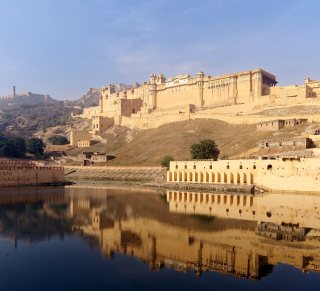
Amer Fort
Hilltop palace-fort of red sandstone and marble above Maota Lake, with the Mirror Palace, a UNESCO site.

Panna Meena ka Kund
A 16th-century stepwell near Amber Fort, its criss-crossing stairs forming a striking geometric pattern.
Jaipur in 2 days
Day 1
Hawa Mahal
Palace of the Winds, a five-storey pink sandstone facade of 953 small windows built for royal women to watch street life.

Johari Bazaar
Jaipur's jewellery market, with gem and silver shops and sweet stalls along the old city's main street.
Jal Mahal
Palace in the middle of Man Sagar Lake on the road to Amer, seen from the shore; the interior is closed.
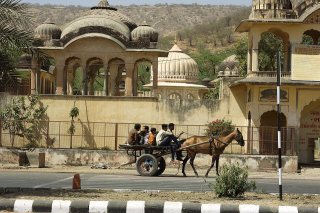
Kanak Vrindavan
Landscaped gardens and temples in a valley below Nahargarh, on the road to Amer.
Jaigarh Fort
18th-century fort above Amer holding Jaivana, one of the largest wheeled cannons in the world.
Amer Fort
Hilltop palace-fort of red sandstone and marble above Maota Lake, with the Mirror Palace, a UNESCO site.
Panna Meena ka Kund
A 16th-century stepwell near Amber Fort, its criss-crossing stairs forming a striking geometric pattern.
Day 2
Ram Niwas Garden
19th-century public park around the Albert Hall Museum, with lawns, a zoo and a bird park.
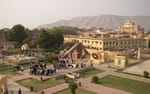
Jantar Mantar
UNESCO-listed observatory of 19 masonry instruments, including the world's largest stone sundial, beside the City Palace.
City Palace, Jaipur
Royal palace complex in the heart of the old city, still partly home to the royal family, with museums and courtyards.
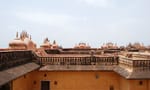
Nahargarh Fort
Fort on the ridge above the city with palace apartments and the best sunset view over Jaipur.
Jaipur in 3 days
Day 1
Hawa Mahal
Palace of the Winds, a five-storey pink sandstone facade of 953 small windows built for royal women to watch street life.
Johari Bazaar
Jaipur's jewellery market, with gem and silver shops and sweet stalls along the old city's main street.
Jal Mahal
Palace in the middle of Man Sagar Lake on the road to Amer, seen from the shore; the interior is closed.
Kanak Vrindavan
Landscaped gardens and temples in a valley below Nahargarh, on the road to Amer.
Jaigarh Fort
18th-century fort above Amer holding Jaivana, one of the largest wheeled cannons in the world.
Amer Fort
Hilltop palace-fort of red sandstone and marble above Maota Lake, with the Mirror Palace, a UNESCO site.
Panna Meena ka Kund
A 16th-century stepwell near Amber Fort, its criss-crossing stairs forming a striking geometric pattern.
Day 2
Ram Niwas Garden
19th-century public park around the Albert Hall Museum, with lawns, a zoo and a bird park.
Jantar Mantar
UNESCO-listed observatory of 19 masonry instruments, including the world's largest stone sundial, beside the City Palace.
City Palace, Jaipur
Royal palace complex in the heart of the old city, still partly home to the royal family, with museums and courtyards.
Nahargarh Fort
Fort on the ridge above the city with palace apartments and the best sunset view over Jaipur.
Day 3
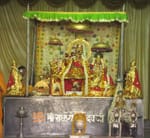
Govind Dev Ji Temple
Krishna temple in the City Palace grounds, very busy at its seven daily darshan times.
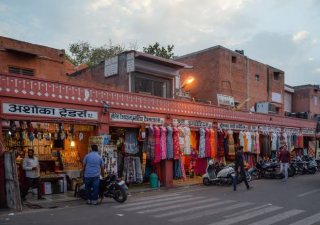
Bapu Bazaar
A pink-fronted market street selling textiles, block prints, mojari slippers and souvenirs; bargaining is expected.
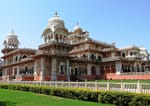
Albert Hall Museum
Rajasthan's oldest museum in an Indo-Saracenic building, with an Egyptian mummy, carpets and arms.
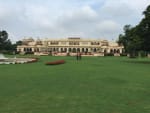
Rambagh Palace
Former residence of the Maharaja of Jaipur, now a luxury Taj hotel; non-guests can visit the restaurants.
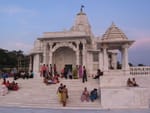
Birla Mandir, Jaipur
White marble Lakshmi Narayan temple from 1988, carved with Hindu deities and lit up in the evening.
Jaipur in 4 days
Day 1
Hawa Mahal
Palace of the Winds, a five-storey pink sandstone facade of 953 small windows built for royal women to watch street life.
Johari Bazaar
Jaipur's jewellery market, with gem and silver shops and sweet stalls along the old city's main street.
Jal Mahal
Palace in the middle of Man Sagar Lake on the road to Amer, seen from the shore; the interior is closed.
Amer Fort
Hilltop palace-fort of red sandstone and marble above Maota Lake, with the Mirror Palace, a UNESCO site.
Panna Meena ka Kund
A 16th-century stepwell near Amber Fort, its criss-crossing stairs forming a striking geometric pattern.
Jaigarh Fort
18th-century fort above Amer holding Jaivana, one of the largest wheeled cannons in the world.
Day 2
Ram Niwas Garden
19th-century public park around the Albert Hall Museum, with lawns, a zoo and a bird park.
Jantar Mantar
UNESCO-listed observatory of 19 masonry instruments, including the world's largest stone sundial, beside the City Palace.
City Palace, Jaipur
Royal palace complex in the heart of the old city, still partly home to the royal family, with museums and courtyards.
Nahargarh Fort
Fort on the ridge above the city with palace apartments and the best sunset view over Jaipur.
Day 3
Govind Dev Ji Temple
Krishna temple in the City Palace grounds, very busy at its seven daily darshan times.
Rambagh Palace
Former residence of the Maharaja of Jaipur, now a luxury Taj hotel; non-guests can visit the restaurants.
Birla Mandir, Jaipur
White marble Lakshmi Narayan temple from 1988, carved with Hindu deities and lit up in the evening.
Albert Hall Museum
Rajasthan's oldest museum in an Indo-Saracenic building, with an Egyptian mummy, carpets and arms.
Bapu Bazaar
A pink-fronted market street selling textiles, block prints, mojari slippers and souvenirs; bargaining is expected.
Day 4
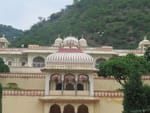
Sisodiya Rani Bagh
Terraced 18th-century palace garden with fountains and murals, built for a Sisodia queen.
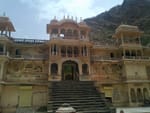
Galtaji
Temple complex in a rocky gorge east of the city with sacred water tanks and many monkeys.

Chand Baori
One of India's deepest stepwells, in Abhaneri village, with thousands of narrow steps in geometric patterns descending some 30 m.
Jaipur in 5 days
Day 1
Hawa Mahal
Palace of the Winds, a five-storey pink sandstone facade of 953 small windows built for royal women to watch street life.
Johari Bazaar
Jaipur's jewellery market, with gem and silver shops and sweet stalls along the old city's main street.
Jantar Mantar
UNESCO-listed observatory of 19 masonry instruments, including the world's largest stone sundial, beside the City Palace.
City Palace, Jaipur
Royal palace complex in the heart of the old city, still partly home to the royal family, with museums and courtyards.
Jal Mahal
Palace in the middle of Man Sagar Lake on the road to Amer, seen from the shore; the interior is closed.
Amer Fort
Hilltop palace-fort of red sandstone and marble above Maota Lake, with the Mirror Palace, a UNESCO site.
Panna Meena ka Kund
A 16th-century stepwell near Amber Fort, its criss-crossing stairs forming a striking geometric pattern.
Day 2
Albert Hall Museum
Rajasthan's oldest museum in an Indo-Saracenic building, with an Egyptian mummy, carpets and arms.
Bapu Bazaar
A pink-fronted market street selling textiles, block prints, mojari slippers and souvenirs; bargaining is expected.
Ram Niwas Garden
19th-century public park around the Albert Hall Museum, with lawns, a zoo and a bird park.
Nahargarh Fort
Fort on the ridge above the city with palace apartments and the best sunset view over Jaipur.
Jaigarh Fort
18th-century fort above Amer holding Jaivana, one of the largest wheeled cannons in the world.
Day 3
Govind Dev Ji Temple
Krishna temple in the City Palace grounds, very busy at its seven daily darshan times.
Rambagh Palace
Former residence of the Maharaja of Jaipur, now a luxury Taj hotel; non-guests can visit the restaurants.
Birla Mandir, Jaipur
White marble Lakshmi Narayan temple from 1988, carved with Hindu deities and lit up in the evening.
Day 4
Sisodiya Rani Bagh
Terraced 18th-century palace garden with fountains and murals, built for a Sisodia queen.
Galtaji
Temple complex in a rocky gorge east of the city with sacred water tanks and many monkeys.
Chand Baori
One of India's deepest stepwells, in Abhaneri village, with thousands of narrow steps in geometric patterns descending some 30 m.
Day 5
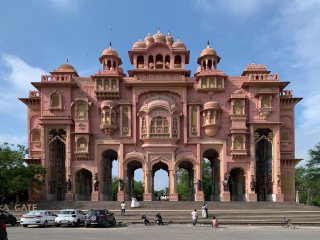
Jawahar Circle
Large circular garden near the airport with the colourful Patrika Gate at its entrance.
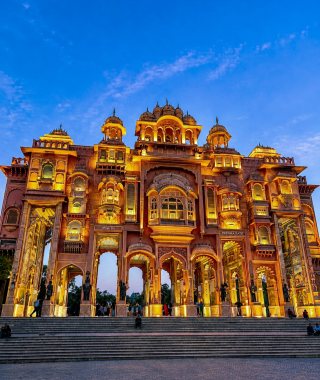
Patrika Gate
A colourful painted gateway at Jawahar Circle, each pillar and arch decorated with scenes of Rajasthan.
Kanak Vrindavan
Landscaped gardens and temples in a valley below Nahargarh, on the road to Amer.
Watch: Jaipur in 3 days
A one-minute look at the plan: every stop, day by day, with the map.
When to go to Jaipur
October to March is the best time, with warm, sunny days and cool nights; it is also the busiest season. April to June is very hot, often above 40 °C, and the monsoon brings humid, rainy weather from July to September. The Jaipur Literature Festival takes place in late January, and Diwali in October or November lights up the bazaars.
Plan the rest of your trip
- Where to stay: hotels in Jaipur on Booking.com or Trip.com
- Skip-the-line tickets: museums and sights in Jaipur on Tiqets
- Tours and day trips: things to do in Jaipur on GetYourGuide or on Viator
- From the airport: a private transfer in Jaipur with Kiwitaxi
- Data on arrival: an eSIM for India from Airalo
Some of these are affiliate links: we may earn a small commission at no extra cost to you.
Tips for Jaipur
- A composite ticket valid for two days covers Amer Fort, Nahargarh, Hawa Mahal, Jantar Mantar, Albert Hall and other state monuments; the City Palace and Jaigarh Fort charge separately.
- Arrive at Amer Fort soon after it opens at 08:00 to avoid heat and crowds; elephant rides are best avoided for animal welfare reasons.
- October to March is the most comfortable season; April to June regularly passes 40 C.
- Use metered auto-rickshaws or ride-hailing apps; agree the price before boarding a rickshaw that has no meter.
- Remove shoes and dress modestly at Govind Dev Ji, Birla Mandir and Galtaji; Govind Dev Ji opens only for set darshan times.
Make it your own
Open the guide in Andiamo Places to see every stop on a map with walking directions, move places between days, check opening hours for your dates, and add your own finds. After the trip, your photos become a journal and, if you like, a printed photo book.



Guides are made with the help of AI and public sources such as Wikipedia, and may contain errors. Opening hours and prices change, so check before you go. Spotted a wrong photo, a pin in the wrong place, a missing stop or a better one? Write to andiamotravelapp@gmail.com: the e-mail opens with this guide filled in.
Photo credits
- Albert Hall Museum: Ajit Kumar Majhi, CC BY-SA 4.0
- Amer Fort: Jakub Hałun, CC BY-SA 4.0
- Birla Mandir, Jaipur: User: (WT-shared) Abhishek b4u at wts wikivoyage, Public domain
- Chand Baori: Chainwit., CC BY-SA 4.0
- City Palace, Jaipur: Jakub Hałun, CC BY-SA 4.0
- Galtaji: Ikram.md, CC BY-SA 3.0
- Govind Dev Ji Temple: Sameergoyal ( talk ), CC BY-SA 3.0
- Hawa Mahal: Jakub Hałun, CC BY-SA 4.0
- Jaigarh Fort: Acred99, CC BY-SA 3.0
- Jal Mahal: Firoze Edassery, CC BY-SA 3.0
- Jantar Mantar: Knowledge Seeker, Public domain
- Jawahar Circle: Chainwit., CC BY-SA 4.0
- Johari Bazaar: Derek Blackadder from Cobourg, ON, Canada, CC BY-SA 2.0
- Kanak Vrindavan: ArishG, CC BY-SA 3.0
- Nahargarh Fort: Sanyam Bahga, CC BY-SA 3.0
- Panna Meena ka Kund: pradeep kumar chatte…, CC BY 3.0
- Ram Niwas Garden: Abhinav Soni, CC BY-SA 3.0
- Rambagh Palace: Sunnya343, CC BY-SA 4.0
- Sisodiya Rani Bagh: Shishir.k 96, CC BY-SA 4.0
Opening hours change; check before you go. Map data © OpenStreetMap contributors.
