
Charleston itinerary: 1 to 7 days
Plans for one to seven days in Charleston, day by day: Folly Beach, the Battery and Rainbow Row first, then the Old Slave Mart, the Old Exchange and the USS Yorktown, and historic house museums, the City Market and Charles Towne Landing as you add days. Every stop has a typical visit length.
How long do you have?
Map: 3 days
Charleston in 1 day
Day 1
The Battery
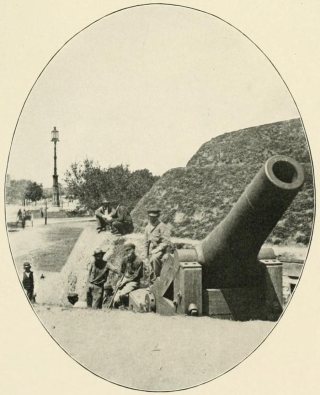
Seawall promenade at the tip of the peninsula, lined with antebellum mansions and facing the harbour and Fort Sumter.
Rainbow Row
A row of 13 pastel-painted Georgian houses on East Bay Street, among the city's most photographed sights.

Waterfront Park
An eight-acre park along the Cooper River with the Pineapple Fountain, shady benches, swings and a pier looking out over the harbour.
Charleston in 2 days
Day 1

Fort Sumter
The island fort at the mouth of Charleston Harbor where the Civil War began in 1861, reached by a boat tour.
USS Yorktown (CV-10)
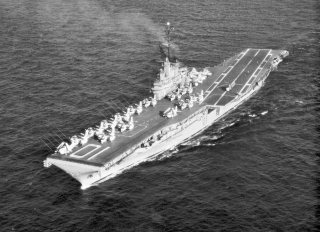
Second World War aircraft carrier at Patriots Point museum in Mount Pleasant, with aircraft, a destroyer and a submarine.
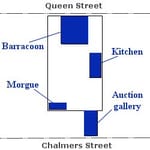
Old Slave Mart
Former slave auction gallery on Chalmers Street, now a museum telling the history of Charleston's domestic slave trade.
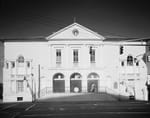
Exchange and Provost
The 1771 Old Exchange and Provost Dungeon, where colonists and pirates were held; guided tours of the cellar.
Rainbow Row
A row of 13 pastel-painted Georgian houses on East Bay Street, among the city's most photographed sights.
Waterfront Park
An eight-acre park along the Cooper River with the Pineapple Fountain, shady benches, swings and a pier looking out over the harbour.
Day 2
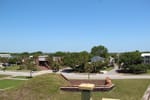
Sullivan's Island
Beach town at the harbour mouth with quiet beaches and Fort Moultrie, part of Fort Sumter National Historical Park.
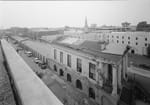
City Market
Four blocks of open-air sheds dating from the 1800s, with sweetgrass basket weavers, crafts and souvenirs.
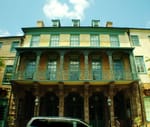
Dock Street Theatre
Reconstructed 1736 theatre in the French Quarter, home to Charleston Stage and Spoleto Festival performances.
Charleston in 3 days
Day 1

Folly Beach
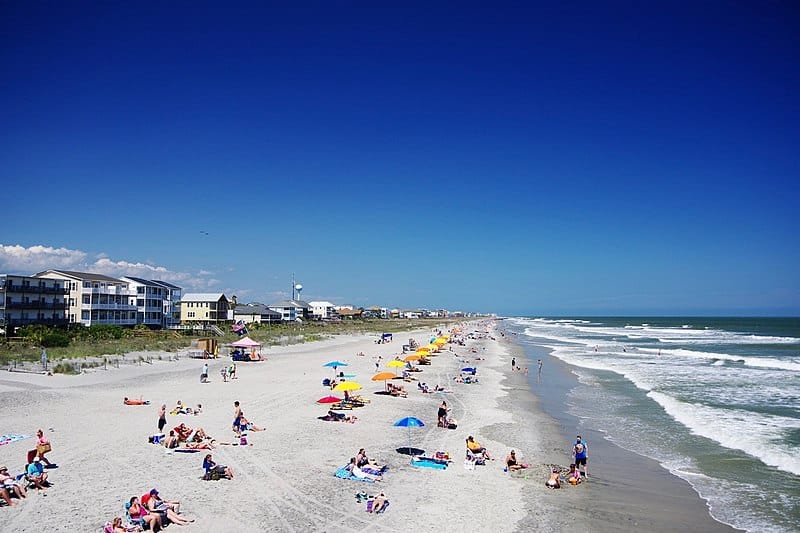
Laid-back beach town on Folly Island, 20 minutes from downtown, with surfing, a fishing pier and views of Morris Island Lighthouse.
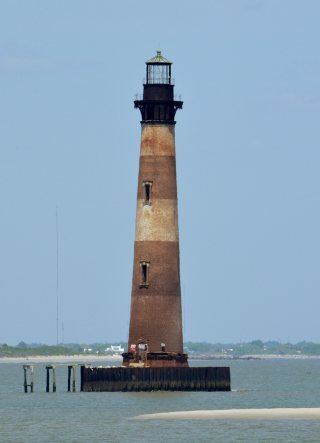
Morris Island Light
An 1876 lighthouse now standing in the sea off Folly Beach, seen from the end of East Ashley Avenue.
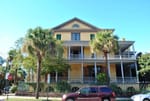
Gov. William Aiken House
The Aiken-Rhett House, an 1820 townhouse preserved rather than restored, with intact slave quarters and work yard.
The Battery
Seawall promenade at the tip of the peninsula, lined with antebellum mansions and facing the harbour and Fort Sumter.
Day 2
Fort Sumter
The island fort at the mouth of Charleston Harbor where the Civil War began in 1861, reached by a boat tour.
USS Yorktown (CV-10)
Second World War aircraft carrier at Patriots Point museum in Mount Pleasant, with aircraft, a destroyer and a submarine.
Sullivan's Island
Beach town at the harbour mouth with quiet beaches and Fort Moultrie, part of Fort Sumter National Historical Park.
Day 3
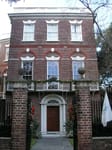
Nathaniel Russell House
An 1808 Federal townhouse famous for its free-flying spiral staircase, run by Historic Charleston Foundation.
Old Slave Mart
Former slave auction gallery on Chalmers Street, now a museum telling the history of Charleston's domestic slave trade.
Dock Street Theatre
Reconstructed 1736 theatre in the French Quarter, home to Charleston Stage and Spoleto Festival performances.
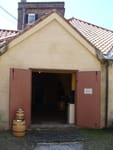
Powder Magazine
Built in 1713, the oldest public building in the Carolinas, now a small museum of colonial Charleston.
Exchange and Provost
The 1771 Old Exchange and Provost Dungeon, where colonists and pirates were held; guided tours of the cellar.
Rainbow Row
A row of 13 pastel-painted Georgian houses on East Bay Street, among the city's most photographed sights.
Waterfront Park
An eight-acre park along the Cooper River with the Pineapple Fountain, shady benches, swings and a pier looking out over the harbour.
Charleston in 4 days
Day 1
The Battery
Seawall promenade at the tip of the peninsula, lined with antebellum mansions and facing the harbour and Fort Sumter.
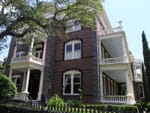
Williams Mansion (Calhoun Mansion)
A grand 1876 Italianate house near the Battery, one of the largest private homes in Charleston, seen on guided tours.
Nathaniel Russell House
An 1808 Federal townhouse famous for its free-flying spiral staircase, run by Historic Charleston Foundation.
Dock Street Theatre
Reconstructed 1736 theatre in the French Quarter, home to Charleston Stage and Spoleto Festival performances.
Gov. William Aiken House
The Aiken-Rhett House, an 1820 townhouse preserved rather than restored, with intact slave quarters and work yard.
Day 2
Old Slave Mart
Former slave auction gallery on Chalmers Street, now a museum telling the history of Charleston's domestic slave trade.

International African American Museum
A museum of African American history opened in 2023 on the former wharf where many enslaved Africans arrived, with a memorial garden.
USS Yorktown (CV-10)
Second World War aircraft carrier at Patriots Point museum in Mount Pleasant, with aircraft, a destroyer and a submarine.
Sullivan's Island
Beach town at the harbour mouth with quiet beaches and Fort Moultrie, part of Fort Sumter National Historical Park.
Day 3
Fort Sumter
The island fort at the mouth of Charleston Harbor where the Civil War began in 1861, reached by a boat tour.
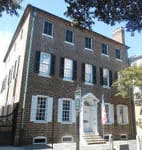
Heyward-Washington House
1772 house of a signer of the Declaration of Independence where George Washington stayed in 1791.
Exchange and Provost
The 1771 Old Exchange and Provost Dungeon, where colonists and pirates were held; guided tours of the cellar.
Rainbow Row
A row of 13 pastel-painted Georgian houses on East Bay Street, among the city's most photographed sights.
Waterfront Park
An eight-acre park along the Cooper River with the Pineapple Fountain, shady benches, swings and a pier looking out over the harbour.
Day 4
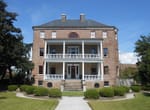
Joseph Manigault House
An 1803 Federal-style house museum with a graceful staircase, run by the Charleston Museum.
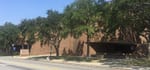
Charleston Museum
Founded in 1773, often called America's first museum, covering Lowcountry natural and cultural history.
Powder Magazine
Built in 1713, the oldest public building in the Carolinas, now a small museum of colonial Charleston.
Charleston in 5 days
Day 1
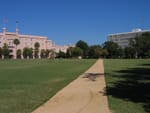
Marion Square
Downtown's main green, former Citadel parade ground, hosting the Saturday farmers' market from spring to autumn.
Joseph Manigault House
An 1803 Federal-style house museum with a graceful staircase, run by the Charleston Museum.
Charleston Museum
Founded in 1773, often called America's first museum, covering Lowcountry natural and cultural history.
Gov. William Aiken House
The Aiken-Rhett House, an 1820 townhouse preserved rather than restored, with intact slave quarters and work yard.
Day 2
Dock Street Theatre
Reconstructed 1736 theatre in the French Quarter, home to Charleston Stage and Spoleto Festival performances.
City Market
Four blocks of open-air sheds dating from the 1800s, with sweetgrass basket weavers, crafts and souvenirs.
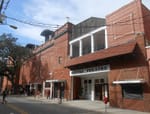
Sottile Theater
A 1927 former movie palace on King Street owned by the College of Charleston, used for festivals and concerts.
Day 3
Fort Sumter
The island fort at the mouth of Charleston Harbor where the Civil War began in 1861, reached by a boat tour.
USS Yorktown (CV-10)
Second World War aircraft carrier at Patriots Point museum in Mount Pleasant, with aircraft, a destroyer and a submarine.
Heyward-Washington House
1772 house of a signer of the Declaration of Independence where George Washington stayed in 1791.
Exchange and Provost
The 1771 Old Exchange and Provost Dungeon, where colonists and pirates were held; guided tours of the cellar.
Rainbow Row
A row of 13 pastel-painted Georgian houses on East Bay Street, among the city's most photographed sights.
Waterfront Park
An eight-acre park along the Cooper River with the Pineapple Fountain, shady benches, swings and a pier looking out over the harbour.
Day 4
Sullivan's Island
Beach town at the harbour mouth with quiet beaches and Fort Moultrie, part of Fort Sumter National Historical Park.
International African American Museum
A museum of African American history opened in 2023 on the former wharf where many enslaved Africans arrived, with a memorial garden.
Powder Magazine
Built in 1713, the oldest public building in the Carolinas, now a small museum of colonial Charleston.
Old Slave Mart
Former slave auction gallery on Chalmers Street, now a museum telling the history of Charleston's domestic slave trade.
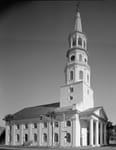
St. Michael's Churchyard
Graveyard of the city's oldest church building (1761), with graves of two signers of the Constitution.
Day 5
Williams Mansion (Calhoun Mansion)
A grand 1876 Italianate house near the Battery, one of the largest private homes in Charleston, seen on guided tours.
Nathaniel Russell House
An 1808 Federal townhouse famous for its free-flying spiral staircase, run by Historic Charleston Foundation.
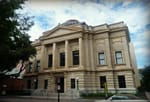
Gibbes Museum of Art
Beaux-Arts art museum with American and Southern art, including miniature portraits and Charleston Renaissance works.
Charleston in 6 days
Day 1
Marion Square
Downtown's main green, former Citadel parade ground, hosting the Saturday farmers' market from spring to autumn.
Joseph Manigault House
An 1803 Federal-style house museum with a graceful staircase, run by the Charleston Museum.
Charleston Museum
Founded in 1773, often called America's first museum, covering Lowcountry natural and cultural history.
Day 2
Fort Sumter
The island fort at the mouth of Charleston Harbor where the Civil War began in 1861, reached by a boat tour.
USS Yorktown (CV-10)
Second World War aircraft carrier at Patriots Point museum in Mount Pleasant, with aircraft, a destroyer and a submarine.
City Market
Four blocks of open-air sheds dating from the 1800s, with sweetgrass basket weavers, crafts and souvenirs.
Sottile Theater
A 1927 former movie palace on King Street owned by the College of Charleston, used for festivals and concerts.
Day 3
Heyward-Washington House
1772 house of a signer of the Declaration of Independence where George Washington stayed in 1791.
Exchange and Provost
The 1771 Old Exchange and Provost Dungeon, where colonists and pirates were held; guided tours of the cellar.
Powder Magazine
Built in 1713, the oldest public building in the Carolinas, now a small museum of colonial Charleston.
Rainbow Row
A row of 13 pastel-painted Georgian houses on East Bay Street, among the city's most photographed sights.
Waterfront Park
An eight-acre park along the Cooper River with the Pineapple Fountain, shady benches, swings and a pier looking out over the harbour.
Day 4
Sullivan's Island
Beach town at the harbour mouth with quiet beaches and Fort Moultrie, part of Fort Sumter National Historical Park.
International African American Museum
A museum of African American history opened in 2023 on the former wharf where many enslaved Africans arrived, with a memorial garden.
Dock Street Theatre
Reconstructed 1736 theatre in the French Quarter, home to Charleston Stage and Spoleto Festival performances.
Old Slave Mart
Former slave auction gallery on Chalmers Street, now a museum telling the history of Charleston's domestic slave trade.
St. Michael's Churchyard
Graveyard of the city's oldest church building (1761), with graves of two signers of the Constitution.
Day 5
Williams Mansion (Calhoun Mansion)
A grand 1876 Italianate house near the Battery, one of the largest private homes in Charleston, seen on guided tours.
Nathaniel Russell House
An 1808 Federal townhouse famous for its free-flying spiral staircase, run by Historic Charleston Foundation.
Gibbes Museum of Art
Beaux-Arts art museum with American and Southern art, including miniature portraits and Charleston Renaissance works.
Day 6

Middleton Place
An Ashley River plantation with America's oldest landscaped gardens, terraced lawns, a house museum and stableyards, about 15 miles from downtown.

Magnolia Plantation and Gardens
A historic Ashley River plantation with some of the oldest public gardens in America, a house tour and exhibits on enslaved people's lives.
Gov. William Aiken House
The Aiken-Rhett House, an 1820 townhouse preserved rather than restored, with intact slave quarters and work yard.
Charleston in 7 days
Day 1
Marion Square
Downtown's main green, former Citadel parade ground, hosting the Saturday farmers' market from spring to autumn.
Joseph Manigault House
An 1803 Federal-style house museum with a graceful staircase, run by the Charleston Museum.
Charleston Museum
Founded in 1773, often called America's first museum, covering Lowcountry natural and cultural history.
Gov. William Aiken House
The Aiken-Rhett House, an 1820 townhouse preserved rather than restored, with intact slave quarters and work yard.
Day 2
City Market
Four blocks of open-air sheds dating from the 1800s, with sweetgrass basket weavers, crafts and souvenirs.
Sottile Theater
A 1927 former movie palace on King Street owned by the College of Charleston, used for festivals and concerts.
The Battery
Seawall promenade at the tip of the peninsula, lined with antebellum mansions and facing the harbour and Fort Sumter.
Day 3
Fort Sumter
The island fort at the mouth of Charleston Harbor where the Civil War began in 1861, reached by a boat tour.
USS Yorktown (CV-10)
Second World War aircraft carrier at Patriots Point museum in Mount Pleasant, with aircraft, a destroyer and a submarine.
Heyward-Washington House
1772 house of a signer of the Declaration of Independence where George Washington stayed in 1791.
Exchange and Provost
The 1771 Old Exchange and Provost Dungeon, where colonists and pirates were held; guided tours of the cellar.
Rainbow Row
A row of 13 pastel-painted Georgian houses on East Bay Street, among the city's most photographed sights.
Waterfront Park
An eight-acre park along the Cooper River with the Pineapple Fountain, shady benches, swings and a pier looking out over the harbour.
Day 4
Sullivan's Island
Beach town at the harbour mouth with quiet beaches and Fort Moultrie, part of Fort Sumter National Historical Park.
International African American Museum
A museum of African American history opened in 2023 on the former wharf where many enslaved Africans arrived, with a memorial garden.
Dock Street Theatre
Reconstructed 1736 theatre in the French Quarter, home to Charleston Stage and Spoleto Festival performances.
Old Slave Mart
Former slave auction gallery on Chalmers Street, now a museum telling the history of Charleston's domestic slave trade.
St. Michael's Churchyard
Graveyard of the city's oldest church building (1761), with graves of two signers of the Constitution.
Day 5
Williams Mansion (Calhoun Mansion)
A grand 1876 Italianate house near the Battery, one of the largest private homes in Charleston, seen on guided tours.
Nathaniel Russell House
An 1808 Federal townhouse famous for its free-flying spiral staircase, run by Historic Charleston Foundation.
Gibbes Museum of Art
Beaux-Arts art museum with American and Southern art, including miniature portraits and Charleston Renaissance works.
Powder Magazine
Built in 1713, the oldest public building in the Carolinas, now a small museum of colonial Charleston.
Day 6
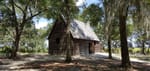
Charles Towne Landing
State historic site at the 1670 first settlement, with a replica ship, gardens and an animal forest of native wildlife.
Magnolia Plantation and Gardens
A historic Ashley River plantation with some of the oldest public gardens in America, a house tour and exhibits on enslaved people's lives.
Middleton Place
An Ashley River plantation with America's oldest landscaped gardens, terraced lawns, a house museum and stableyards, about 15 miles from downtown.
Day 7

Boone Hall
One of America's oldest working plantations, known for its oak-lined avenue, with a historic house, slave cabins and programmes on Gullah culture.
Folly Beach
Laid-back beach town on Folly Island, 20 minutes from downtown, with surfing, a fishing pier and views of Morris Island Lighthouse.
Morris Island Light
An 1876 lighthouse now standing in the sea off Folly Beach, seen from the end of East Ashley Avenue.
Watch: Charleston in 3 days
A one-minute look at the plan: every stop, day by day, with the map.
When to go to Charleston
March to May and October to November are the best months, with warm, pleasant weather; azaleas bloom in the gardens and plantations in late March and April. June to September is hot and humid, with afternoon thunderstorms, and hurricane season runs from June to November. Winter is mild and quieter, with lower hotel rates.
Plan the rest of your trip
- Where to stay: hotels in Charleston on Booking.com or Trip.com
- Skip-the-line tickets: museums and sights in Charleston on Tiqets
- Tours and day trips: things to do in Charleston on GetYourGuide or on Viator
- Data on arrival: an eSIM for United States from Airalo
- Last day: leave your bags in Charleston with Radical Storage and keep sightseeing
Some of these are affiliate links: we may earn a small commission at no extra cost to you.
Tips for Charleston
- The historic district south of Broad Street is compact and best explored on foot; the free DASH trolley runs along Meeting and King Streets.
- Combination tickets save money on house museums: the Charleston Museum sells one for the Joseph Manigault and Heyward-Washington houses, and Historic Charleston Foundation one for the Nathaniel Russell and Aiken-Rhett houses.
- The Old Slave Mart Museum and the Powder Magazine are closed on Sundays; Gibbes Museum of Art is closed on Mondays.
- Fort Sumter is reached only by the concession ferry from Liberty Square or Patriots Point; book ahead in spring and summer.
- Spring (March to May) and autumn are the most comfortable seasons; summers are hot and humid, and hurricane season runs June to November.
Make it your own
Open the guide in Andiamo Places to see every stop on a map with walking directions, move places between days, check opening hours for your dates, and add your own finds. After the trip, your photos become a journal and, if you like, a printed photo book.



Guides are made with the help of AI and public sources such as Wikipedia, and may contain errors. Opening hours and prices change, so check before you go. Spotted a wrong photo, a pin in the wrong place, a missing stop or a better one? Write to andiamotravelapp@gmail.com: the e-mail opens with this guide filled in.
Photo credits
- Boone Hall: Gvanbriesen, CC BY-SA 3.0
- Charles Towne Landing: The ed17, CC BY-SA 4.0
- Charleston Museum: ProfReader, CC BY-SA 4.0
- City Market: John McWilliams (photographer), Public domain
- Dock Street Theatre: Brian Stansberry, CC BY 3.0
- Exchange and Provost: Charles N. Bayless, Public domain
- Folly Beach: Brian Stansberry, CC BY 4.0
- Fort Sumter: Bubba73 (talk) , (Jud McCranie), CC BY-SA 3.0
- Gibbes Museum of Art: MCG Photography, CC BY-SA 4.0
- Gov. William Aiken House: Elisa.rolle, CC BY-SA 4.0
- Heyward-Washington House: ProfReader, CC BY-SA 3.0
- International African American Museum: Making it with the Matthews, CC BY 3.0
- Joseph Manigault House: ProfReader, CC BY-SA 3.0
- Magnolia Plantation and Gardens: Kellie Thorne of NSBO, Public domain
- Marion Square: AudeVivere, CC BY-SA 2.5
- Middleton Place: Brian Stansberry, CC BY 3.0
- Morris Island Light: Niagara, CC BY-SA 3.0
- Nathaniel Russell House: Dima Sergiyenko; Please attribute this image as the work of " DiscoverWithDima .", CC BY-SA 4.0
- Old Slave Mart: Brian Stansberry, CC BY 3.0
- Powder Magazine: MaxVeers, Public domain
- Rainbow Row: ProfReader, CC BY-SA 3.0
- Sottile Theater: ProfReader, CC BY-SA 3.0
- St. Michael's Churchyard: Charles N. Bayless, Photographer, Public domain
- Sullivan's Island: Thomson200, CC0
- The Battery: Unknown author Unknown author, Public domain
- USS Yorktown (CV-10): U.S. Navy, Public domain
- Waterfront Park: JonathanLamb, CC BY 3.0
- Williams Mansion (Calhoun Mansion): Daniel Mayer, CC BY-SA 3.0
Opening hours change; check before you go. Map data © OpenStreetMap contributors.
