
Rio de Janeiro itinerary: 1 to 6 days
Plans for one to six days in Rio de Janeiro, day by day: Christ the Redeemer, Sugarloaf Mountain and Copacabana first, then the Botanical Garden and Parque Lage, the Maracanã and Santa Teresa, the old centre's palaces and museums, and a day out to Petrópolis and Paquetá island as you add days. Every stop has a typical visit length.
How long do you have?
Map: 3 days
Rio de Janeiro in 1 day
Day 1
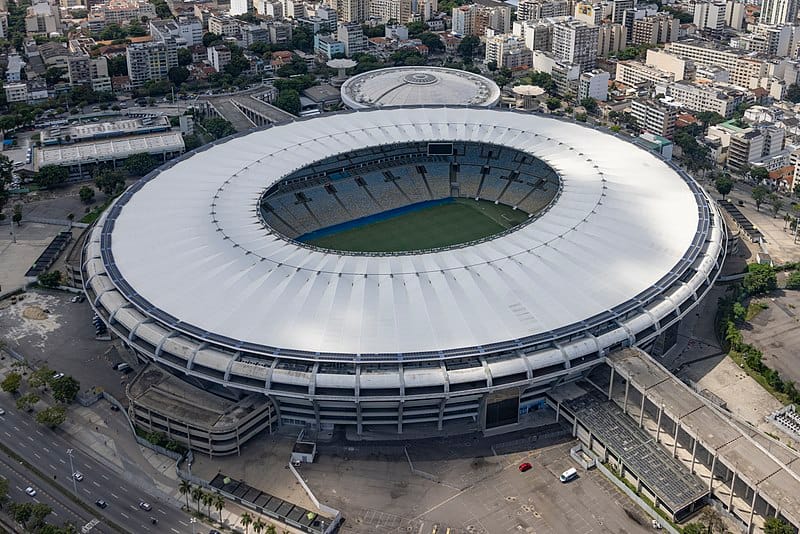
Maracanã Stadium
Brazil's most famous football stadium, built for the 1950 World Cup, with guided tours of the stands and dressing rooms.
Vista Chinesa
A Chinese-style pavilion viewpoint in the Tijuca Forest, looking over the lagoon, the Botanical Garden and Sugarloaf.
Rio de Janeiro Botanical Garden
A botanical garden founded in 1808, famous for its avenue of royal palms and its collections of tropical plants.
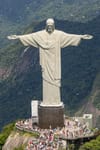
Christ the Redeemer
The 30-metre Art Deco statue of Christ on top of Corcovado, reached by cog train or van, with views over the whole city.
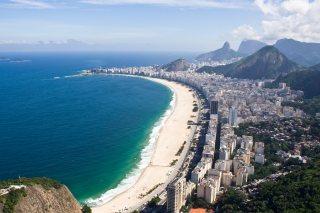
Copacabana, Rio de Janeiro
The neighbourhood behind the famous 4-km beach, with its wave-patterned promenade by Roberto Burle Marx.
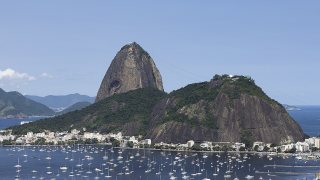
Sugarloaf Mountain
The granite peak at the mouth of Guanabara Bay, reached by two cable cars, with views of the bay and beaches.
Rio de Janeiro in 2 days
Day 1
Sugarloaf Mountain
The granite peak at the mouth of Guanabara Bay, reached by two cable cars, with views of the bay and beaches.
Copacabana, Rio de Janeiro
The neighbourhood behind the famous 4-km beach, with its wave-patterned promenade by Roberto Burle Marx.
Christ the Redeemer
The 30-metre Art Deco statue of Christ on top of Corcovado, reached by cog train or van, with views over the whole city.
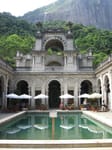
Parque Lage
A park at the foot of Corcovado with a 1920s mansion, now an art school, whose courtyard café sits beneath the Christ statue.
Rio de Janeiro Botanical Garden
A botanical garden founded in 1808, famous for its avenue of royal palms and its collections of tropical plants.
Vista Chinesa
A Chinese-style pavilion viewpoint in the Tijuca Forest, looking over the lagoon, the Botanical Garden and Sugarloaf.
Day 2
Maracanã Stadium
Brazil's most famous football stadium, built for the 1950 World Cup, with guided tours of the stands and dressing rooms.
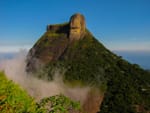
Pedra da Gávea
A granite mountain of 844 m in the Tijuca Forest, a demanding hike with a rock scramble and views of the coast.

Barra Shopping
One of Brazil's largest shopping centres, opened in 1981 in Barra da Tijuca, the city's modern western district.
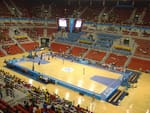
Farmasi Arena
The indoor arena in Barra da Tijuca built for the 2007 Pan American Games, used for concerts and sport.
Rio de Janeiro in 3 days
Day 1

Cidade do Samba
A complex in Gamboa where the top samba schools build their floats and costumes for the Carnival parades.
Sugarloaf Mountain
The granite peak at the mouth of Guanabara Bay, reached by two cable cars, with views of the bay and beaches.
Vista Chinesa
A Chinese-style pavilion viewpoint in the Tijuca Forest, looking over the lagoon, the Botanical Garden and Sugarloaf.
Christ the Redeemer
The 30-metre Art Deco statue of Christ on top of Corcovado, reached by cog train or van, with views over the whole city.
Copacabana, Rio de Janeiro
The neighbourhood behind the famous 4-km beach, with its wave-patterned promenade by Roberto Burle Marx.
Day 2
Rio de Janeiro Botanical Garden
A botanical garden founded in 1808, famous for its avenue of royal palms and its collections of tropical plants.
Maracanã Stadium
Brazil's most famous football stadium, built for the 1950 World Cup, with guided tours of the stands and dressing rooms.
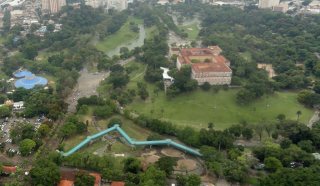
Quinta da Boa Vista
A large historic park in São Cristóvão, once the imperial residence grounds, with lakes and the city zoo nearby.
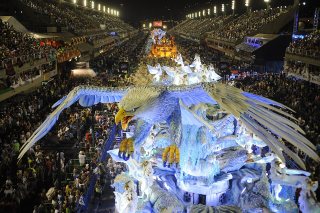
Sambadrome Marquês de Sapucaí
The parade avenue designed by Oscar Niemeyer where the samba schools compete during Carnival.
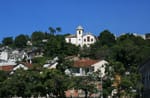
Santa Teresa, Rio de Janeiro
A hilltop neighbourhood of old mansions, artists' studios and cobbled streets, served by a historic tram.
Day 3
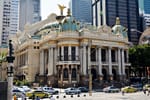
Theatro Municipal
Rio's opera house, opened in 1909 and modelled on the Paris Opéra, with guided tours of its gilded interior.
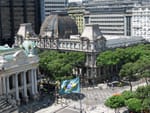
Museu Nacional de Belas Artes
The national fine arts museum on Avenida Rio Branco, with Brazilian painting from the 19th and 20th centuries.
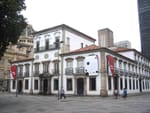
Paço Imperial
The colonial palace on Praça XV that housed the Portuguese and Brazilian royal court, now a cultural centre.

Catete Palace
The former presidential palace, seat of government until 1960, now the Museum of the Republic with gardens open to the public.
Parque Lage
A park at the foot of Corcovado with a 1920s mansion, now an art school, whose courtyard café sits beneath the Christ statue.
Rio de Janeiro in 4 days
Day 1
Catete Palace
The former presidential palace, seat of government until 1960, now the Museum of the Republic with gardens open to the public.
Sugarloaf Mountain
The granite peak at the mouth of Guanabara Bay, reached by two cable cars, with views of the bay and beaches.
Copacabana, Rio de Janeiro
The neighbourhood behind the famous 4-km beach, with its wave-patterned promenade by Roberto Burle Marx.
Christ the Redeemer
The 30-metre Art Deco statue of Christ on top of Corcovado, reached by cog train or van, with views over the whole city.
Parque Lage
A park at the foot of Corcovado with a 1920s mansion, now an art school, whose courtyard café sits beneath the Christ statue.
Rio de Janeiro Botanical Garden
A botanical garden founded in 1808, famous for its avenue of royal palms and its collections of tropical plants.
Day 2
Maracanã Stadium
Brazil's most famous football stadium, built for the 1950 World Cup, with guided tours of the stands and dressing rooms.
Quinta da Boa Vista
A large historic park in São Cristóvão, once the imperial residence grounds, with lakes and the city zoo nearby.
Sambadrome Marquês de Sapucaí
The parade avenue designed by Oscar Niemeyer where the samba schools compete during Carnival.
Santa Teresa, Rio de Janeiro
A hilltop neighbourhood of old mansions, artists' studios and cobbled streets, served by a historic tram.
Theatro Municipal
Rio's opera house, opened in 1909 and modelled on the Paris Opéra, with guided tours of its gilded interior.
Day 3
Farmasi Arena
The indoor arena in Barra da Tijuca built for the 2007 Pan American Games, used for concerts and sport.

CasaShopping
A shopping centre in Barra da Tijuca specialising in furniture, interior design and home decoration.
Barra Shopping
One of Brazil's largest shopping centres, opened in 1981 in Barra da Tijuca, the city's modern western district.
Pedra da Gávea
A granite mountain of 844 m in the Tijuca Forest, a demanding hike with a rock scramble and views of the coast.
Day 4
Museu Nacional de Belas Artes
The national fine arts museum on Avenida Rio Branco, with Brazilian painting from the 19th and 20th centuries.
Paço Imperial
The colonial palace on Praça XV that housed the Portuguese and Brazilian royal court, now a cultural centre.
Cidade do Samba
A complex in Gamboa where the top samba schools build their floats and costumes for the Carnival parades.
Vista Chinesa
A Chinese-style pavilion viewpoint in the Tijuca Forest, looking over the lagoon, the Botanical Garden and Sugarloaf.
Rio de Janeiro in 5 days
Day 1
Catete Palace
The former presidential palace, seat of government until 1960, now the Museum of the Republic with gardens open to the public.
Sugarloaf Mountain
The granite peak at the mouth of Guanabara Bay, reached by two cable cars, with views of the bay and beaches.
Copacabana, Rio de Janeiro
The neighbourhood behind the famous 4-km beach, with its wave-patterned promenade by Roberto Burle Marx.
Christ the Redeemer
The 30-metre Art Deco statue of Christ on top of Corcovado, reached by cog train or van, with views over the whole city.
Parque Lage
A park at the foot of Corcovado with a 1920s mansion, now an art school, whose courtyard café sits beneath the Christ statue.
Rio de Janeiro Botanical Garden
A botanical garden founded in 1808, famous for its avenue of royal palms and its collections of tropical plants.
Day 2
Maracanã Stadium
Brazil's most famous football stadium, built for the 1950 World Cup, with guided tours of the stands and dressing rooms.
Quinta da Boa Vista
A large historic park in São Cristóvão, once the imperial residence grounds, with lakes and the city zoo nearby.
Sambadrome Marquês de Sapucaí
The parade avenue designed by Oscar Niemeyer where the samba schools compete during Carnival.
Santa Teresa, Rio de Janeiro
A hilltop neighbourhood of old mansions, artists' studios and cobbled streets, served by a historic tram.
Theatro Municipal
Rio's opera house, opened in 1909 and modelled on the Paris Opéra, with guided tours of its gilded interior.
Day 3
Farmasi Arena
The indoor arena in Barra da Tijuca built for the 2007 Pan American Games, used for concerts and sport.
CasaShopping
A shopping centre in Barra da Tijuca specialising in furniture, interior design and home decoration.
Barra Shopping
One of Brazil's largest shopping centres, opened in 1981 in Barra da Tijuca, the city's modern western district.
Pedra da Gávea
A granite mountain of 844 m in the Tijuca Forest, a demanding hike with a rock scramble and views of the coast.
Day 4
Museu Nacional de Belas Artes
The national fine arts museum on Avenida Rio Branco, with Brazilian painting from the 19th and 20th centuries.
Paço Imperial
The colonial palace on Praça XV that housed the Portuguese and Brazilian royal court, now a cultural centre.
Cidade do Samba
A complex in Gamboa where the top samba schools build their floats and costumes for the Carnival parades.
Vista Chinesa
A Chinese-style pavilion viewpoint in the Tijuca Forest, looking over the lagoon, the Botanical Garden and Sugarloaf.
Day 5
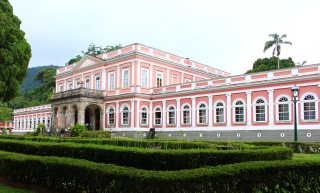
Imperial Museum of Brazil
The summer palace of Emperor Pedro II in Petrópolis, now a museum with the imperial crown and royal furnishings.
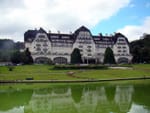
Palácio Quitandinha
A vast former luxury casino hotel of the 1940s in Petrópolis, with grand halls open to visitors.
Paquetá, Rio de Janeiro
A car-free island in Guanabara Bay, reached by ferry from Praça XV, with quiet beaches and colonial houses.
Rio de Janeiro in 6 days
Day 1
Sugarloaf Mountain
The granite peak at the mouth of Guanabara Bay, reached by two cable cars, with views of the bay and beaches.
Copacabana, Rio de Janeiro
The neighbourhood behind the famous 4-km beach, with its wave-patterned promenade by Roberto Burle Marx.
Christ the Redeemer
The 30-metre Art Deco statue of Christ on top of Corcovado, reached by cog train or van, with views over the whole city.
Day 2
Maracanã Stadium
Brazil's most famous football stadium, built for the 1950 World Cup, with guided tours of the stands and dressing rooms.
Rio de Janeiro Botanical Garden
A botanical garden founded in 1808, famous for its avenue of royal palms and its collections of tropical plants.
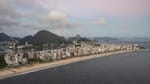
Ipanema
The beach neighbourhood made famous by the bossa nova song, between Arpoador and Leblon, with views of the Dois Irmãos peaks.
Day 3
Santa Teresa, Rio de Janeiro
A hilltop neighbourhood of old mansions, artists' studios and cobbled streets, served by a historic tram.
Parque Lage
A park at the foot of Corcovado with a 1920s mansion, now an art school, whose courtyard café sits beneath the Christ statue.
Vista Chinesa
A Chinese-style pavilion viewpoint in the Tijuca Forest, looking over the lagoon, the Botanical Garden and Sugarloaf.
Pedra da Gávea
A granite mountain of 844 m in the Tijuca Forest, a demanding hike with a rock scramble and views of the coast.
Day 4
Cidade do Samba
A complex in Gamboa where the top samba schools build their floats and costumes for the Carnival parades.
Sambadrome Marquês de Sapucaí
The parade avenue designed by Oscar Niemeyer where the samba schools compete during Carnival.
Paço Imperial
The colonial palace on Praça XV that housed the Portuguese and Brazilian royal court, now a cultural centre.
Museu Nacional de Belas Artes
The national fine arts museum on Avenida Rio Branco, with Brazilian painting from the 19th and 20th centuries.
Theatro Municipal
Rio's opera house, opened in 1909 and modelled on the Paris Opéra, with guided tours of its gilded interior.
Day 5
Quinta da Boa Vista
A large historic park in São Cristóvão, once the imperial residence grounds, with lakes and the city zoo nearby.
Catete Palace
The former presidential palace, seat of government until 1960, now the Museum of the Republic with gardens open to the public.
Day 6
Imperial Museum of Brazil
The summer palace of Emperor Pedro II in Petrópolis, now a museum with the imperial crown and royal furnishings.
Palácio Quitandinha
A vast former luxury casino hotel of the 1940s in Petrópolis, with grand halls open to visitors.
Paquetá, Rio de Janeiro
A car-free island in Guanabara Bay, reached by ferry from Praça XV, with quiet beaches and colonial houses.
CasaShopping
A shopping centre in Barra da Tijuca specialising in furniture, interior design and home decoration.
Watch: Rio de Janeiro in 3 days
A one-minute look at the plan: every stop, day by day, with the map.
When to go to Rio de Janeiro
May to October is the drier, cooler time in Rio de Janeiro, with comfortable weather for hiking and sightseeing. December to March is hot, humid and rainy, with crowded beaches. Carnival, usually in February or early March, brings parades at the Sambódromo and street parties, and New Year's Eve on Copacabana draws huge crowds; both bring the highest prices.
Plan the rest of your trip
- Where to stay: hotels in Rio de Janeiro on Booking.com or Trip.com
- Skip-the-line tickets: museums and sights in Rio de Janeiro on Tiqets
- Tours and day trips: things to do in Rio de Janeiro on GetYourGuide or on Viator
- From the airport: a private transfer in Rio de Janeiro with Kiwitaxi
- Data on arrival: an eSIM for Brazil from Airalo
- Last day: leave your bags in Rio de Janeiro with Radical Storage and keep sightseeing
Some of these are affiliate links: we may earn a small commission at no extra cost to you.
Tips for Rio de Janeiro
- Go up Christ the Redeemer and Sugarloaf early on a clear day; the summits are often in cloud later, and the queues grow.
- Buy tickets for the Corcovado train and the Sugarloaf cable car online ahead to skip the ticket lines.
- The metro links the centre, Copacabana, Ipanema and the Maracanã and is the easiest way between them.
- Carry only what you need on the beach and in crowds, and use app-based taxis at night.
- Petrópolis is about an hour and a half away by bus or car; its Imperial Museum is closed on Mondays.
Make it your own
Open the guide in Andiamo Places to see every stop on a map with walking directions, move places between days, check opening hours for your dates, and add your own finds. After the trip, your photos become a journal and, if you like, a printed photo book.



Guides are made with the help of AI and public sources such as Wikipedia, and may contain errors. Opening hours and prices change, so check before you go. Spotted a wrong photo, a pin in the wrong place, a missing stop or a better one? Write to andiamotravelapp@gmail.com: the e-mail opens with this guide filled in.
Photo credits
- Barra Shopping: Arthur Jacob, CC BY-SA 3.0
- CasaShopping: Creator:Bruno Marcolini, CC BY 3.0
- Catete Palace: Ministério da Cultura, CC BY 2.0
- Christ the Redeemer: Arne Müseler, CC BY-SA 3.0 de
- Cidade do Samba: Erik Ogan from San Francisco, CA, USA, CC BY-SA 2.0
- Copacabana, Rio de Janeiro: [www.flickr.com/photos/26912057@N02/ bisonlux], CC BY 2.0
- Farmasi Arena: *drowned* at English Wikipedia, CC BY-SA 3.0
- Imperial Museum of Brazil: Filipo Tardim, CC BY-SA 4.0
- Ipanema: Arne Müseler, CC BY-SA 3.0 de
- Maracanã Stadium: Arne Müseler, CC BY-SA 3.0 de
- Museu Nacional de Belas Artes: Halley Pacheco de Oliveira, CC BY-SA 3.0
- Palácio Quitandinha: Rodrigo Soldon from Rio de Janeiro, Brazil, CC BY 2.0
- Paquetá, Rio de Janeiro: VinyNeto, CC BY-SA 3.0
- Parque Lage: Matthew Levine [2], CC BY 2.0
- Paço Imperial: Fulviusbsas, Public domain
- Pedra da Gávea: KarlaFPaiva, CC BY-SA 3.0
- Quinta da Boa Vista: Agencia CNT de Noticias, CC BY 2.0
- Rio de Janeiro Botanical Garden: tsc_traveler [2], CC BY 2.0
- Sambadrome Marquês de Sapucaí: Fernando Frazão/Agência Brasil, CC BY 3.0 br
- Santa Teresa, Rio de Janeiro: Halley Pacheco de Oliveira, CC BY-SA 3.0
- Sugarloaf Mountain: Arne Müseler, CC BY-SA 3.0 de
- Theatro Municipal: Elvis Boaventura, CC BY 3.0
- Vista Chinesa: Rafaeloliveira, Public domain
Opening hours change; check before you go. Map data © OpenStreetMap contributors.
